
Climate change is one of the most significant challenges addressed through Environmental, Social and Governance (ESG). Rising global temperatures and greenhouse gas emissions create environmental, social and economic risks that affect businesses, communities and ecosystems.
Sustainability helps organisations reduce their environmental impact by lowering emissions, conserving resources and improving resilience. Social value ensures that businesses create positive outcomes for employees, local communities and wider society through investment, inclusion and responsible practices.
Strong governance provides the leadership, accountability and ethical decision-making needed to manage climate-related risks, meet regulatory requirements and deliver long-term sustainable outcomes.
Together, these principles enable organisations to tackle climate change while creating lasting value for people, the environment and the economy.
in Carbon Management
CRL are proud to have achieved PAS 2080 certification, the industry-leading standard for carbon management in infrastructure, awarded by NQA. This recognition reflects our structured approach to managing and reducing carbon across our operations and projects.
Over the past year, we have made tangible progress, including transitioning our sites to Hydrotreated Vegetable Oil (HVO), introducing EV charging infrastructure across our offices, and achieving significant reductions in both Scope 1 and Scope 2 emissions.
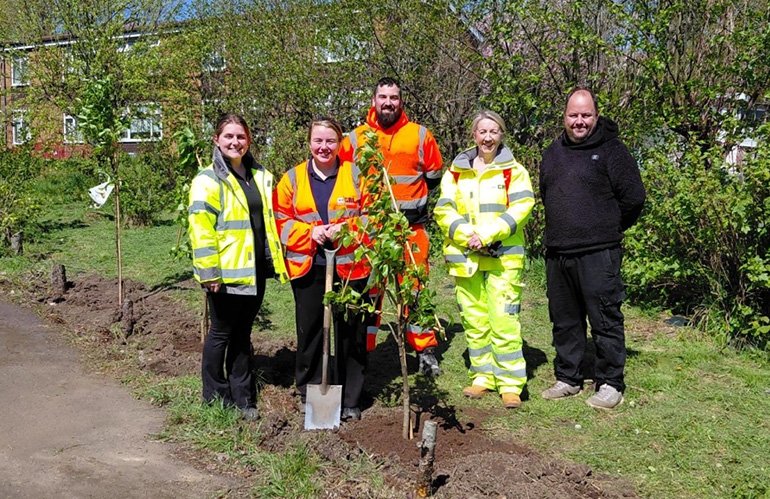
Alongside these improvements, our 70th anniversary milestone has been marked by initiatives such as tree planting across our sites, reinforcing our ongoing commitment to responsible environmental stewardship.
Strategy
Carbon-Zero
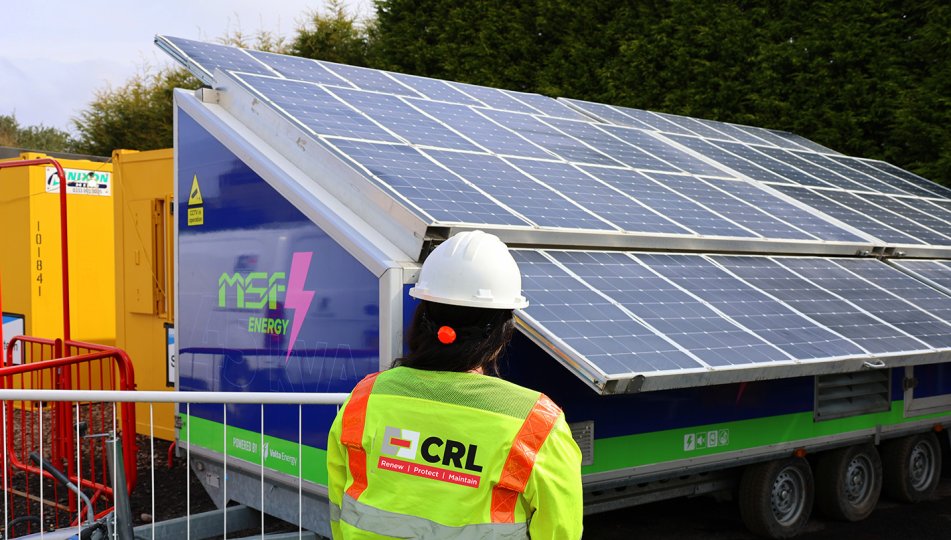
Our commitment to environmental stewardship is embedded in how we operate, with the adoption of advanced solar-powered welfare units forming a key step in reducing our carbon footprint.
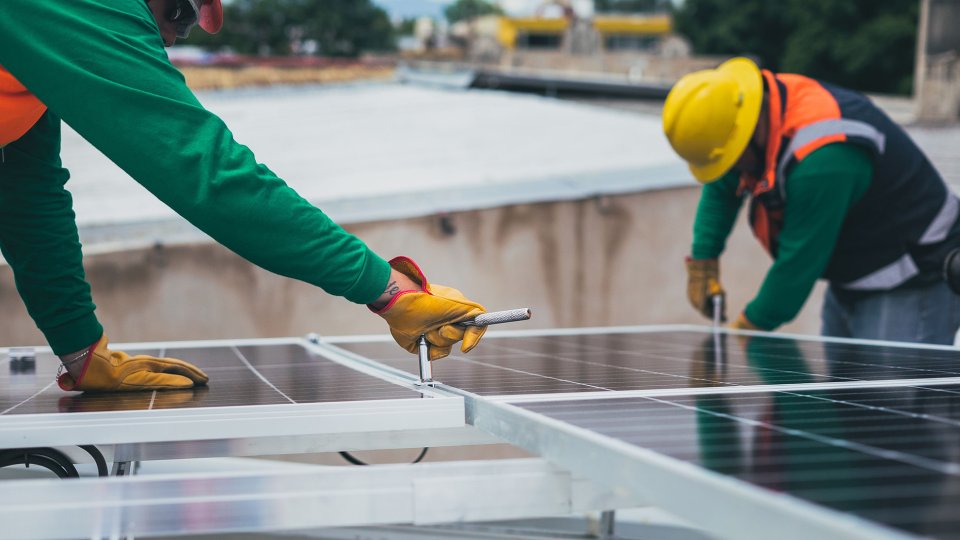
By harnessing renewable energy through high-performance solar arrays and battery storage, we significantly cut fuel consumption, emissions, and noise across our sites. Minimising generator reliance allows us to actively support carbon reduction and clean air targets, while maintaining high-quality welfare standards.
Enhanced by energy-efficient design features and smart monitoring technology, these units reflect our proactive approach to delivering safer, cleaner, and more sustainable highways operations.
 ESG
ESG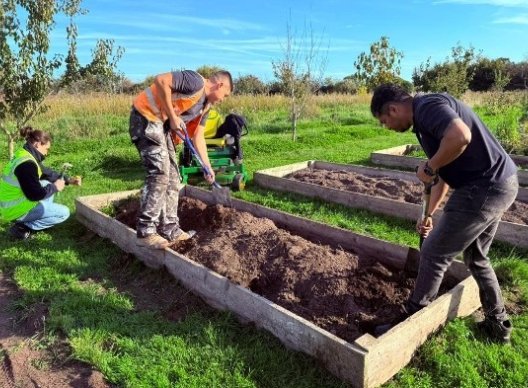 Social
 Governance