Client
Octavius Infrastructure
Value
£152k
Sectors & Services
Highway Structures Concrete Repair Condition Surveys Corrosion Control Cleaning & Preparation
The Chiswick Flyover is a short elevated section of the M4 motorway located on the western approaches to London. Opened in 1959, the structure was originally designed to alleviate congestion and reduce the impact of through traffic travelling around London via the North and South Circular Roads and along the Great West Road. Although not initially constructed as a motorway asset, the flyover was later incorporated into the M4 network and continues to play an important role within London’s strategic transport infrastructure.
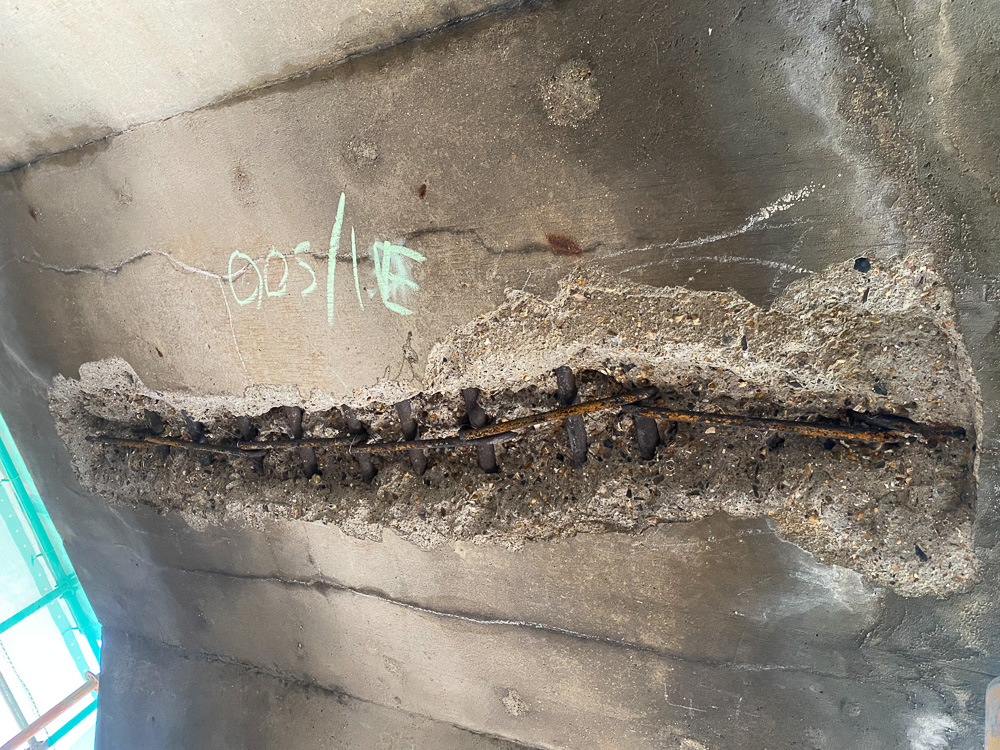
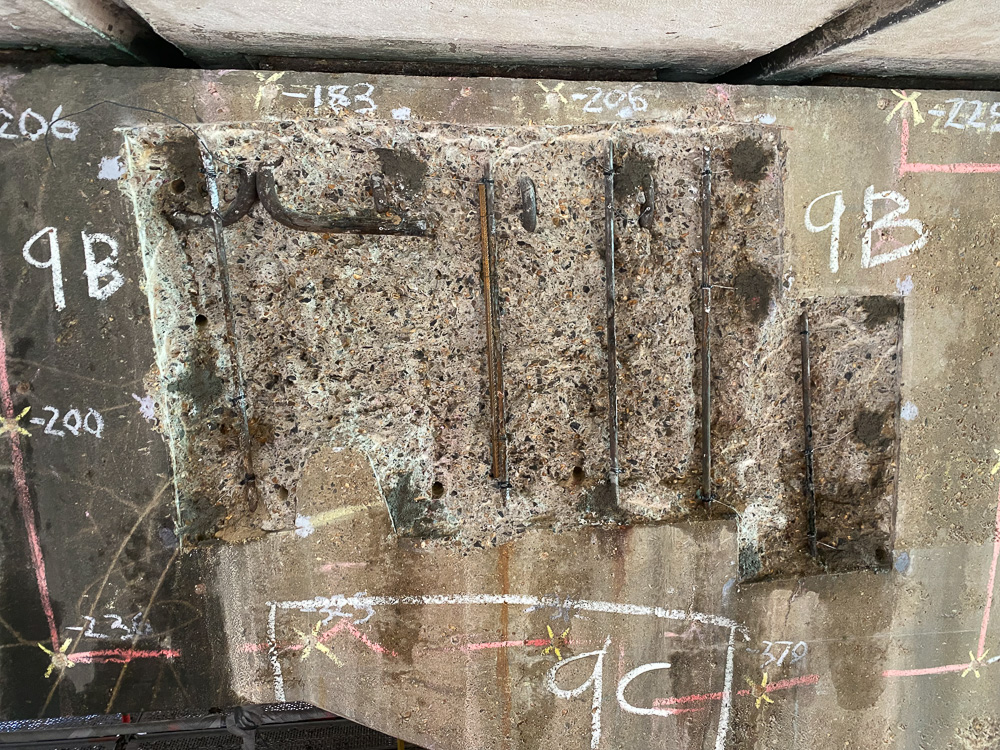
Following decades of service, the structure began exhibiting signs of deterioration associated with prolonged exposure to de-icing salts. A Special Inspection survey undertaken in July 2021 identified widespread areas of spalled and delaminated concrete together with exposed and corroded reinforcement to piers and cross beams, highlighting the need for specialist structural concrete repairs.
Services Undertaken
- Specialist concrete repairs to piers and cross beams
- Spray-applied concrete repairs using Webercem DS
- Repairs to spalled and delaminated concrete areas
- Installation of CPT DuoGuard 145 patch anodes
- Localised corrosion mitigation to reinforced concrete elements
- Cleaning and greasing of bridge bearings
- Structural repair works informed by delamination survey findings
- Concrete repair works following visual inspections and concrete testing
- Delivery of works under NEC4 Option C contract arrangements


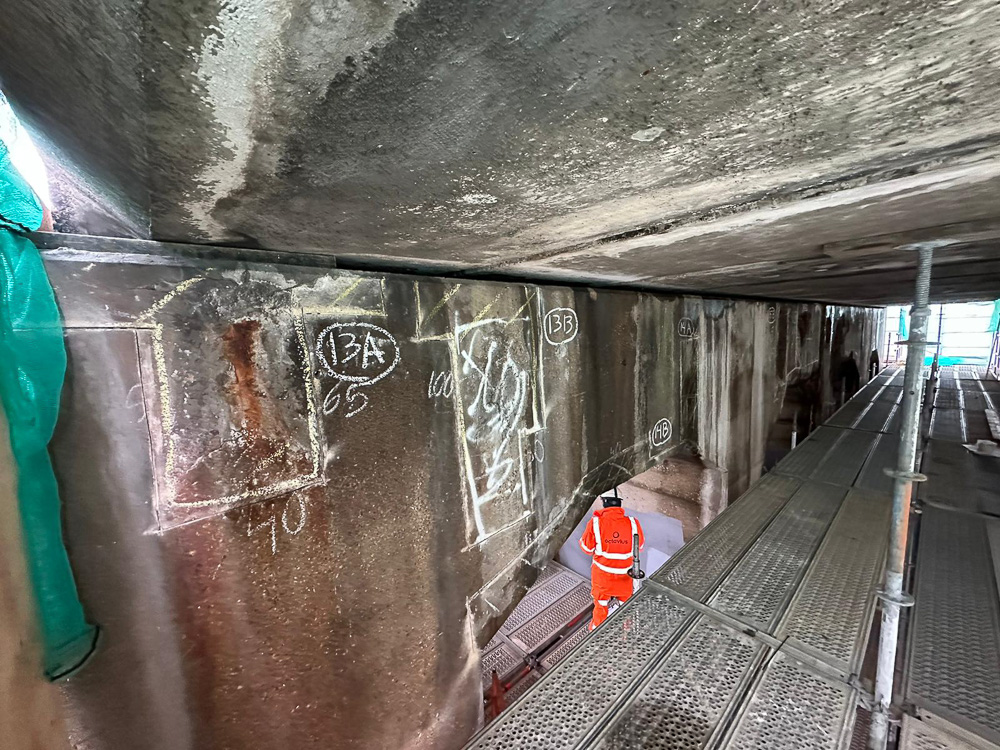
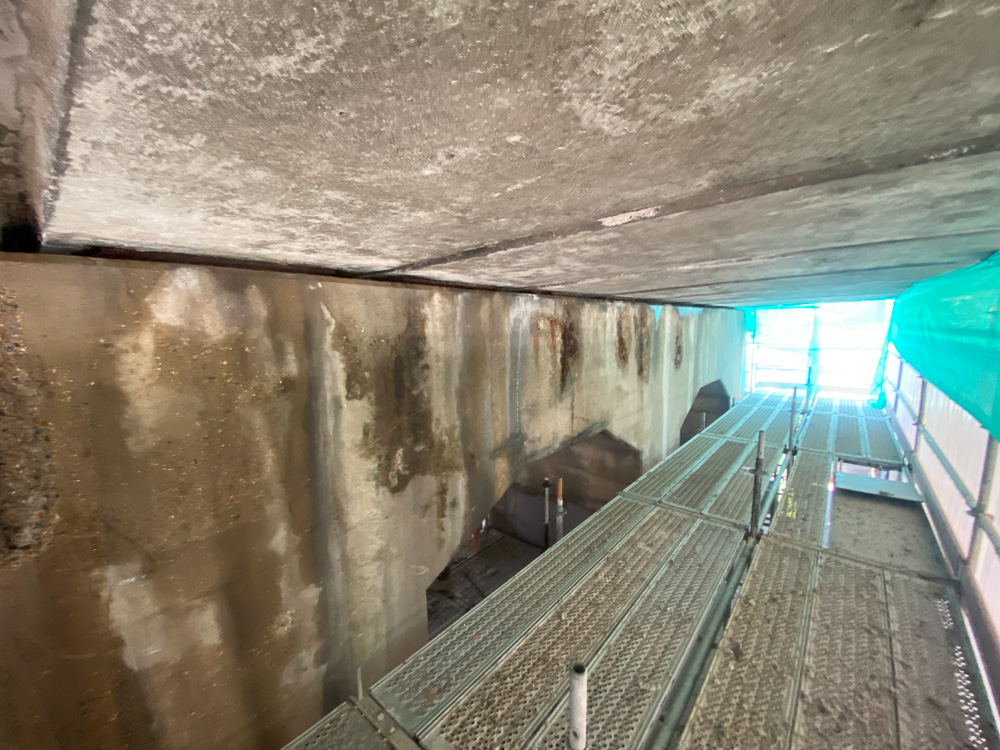
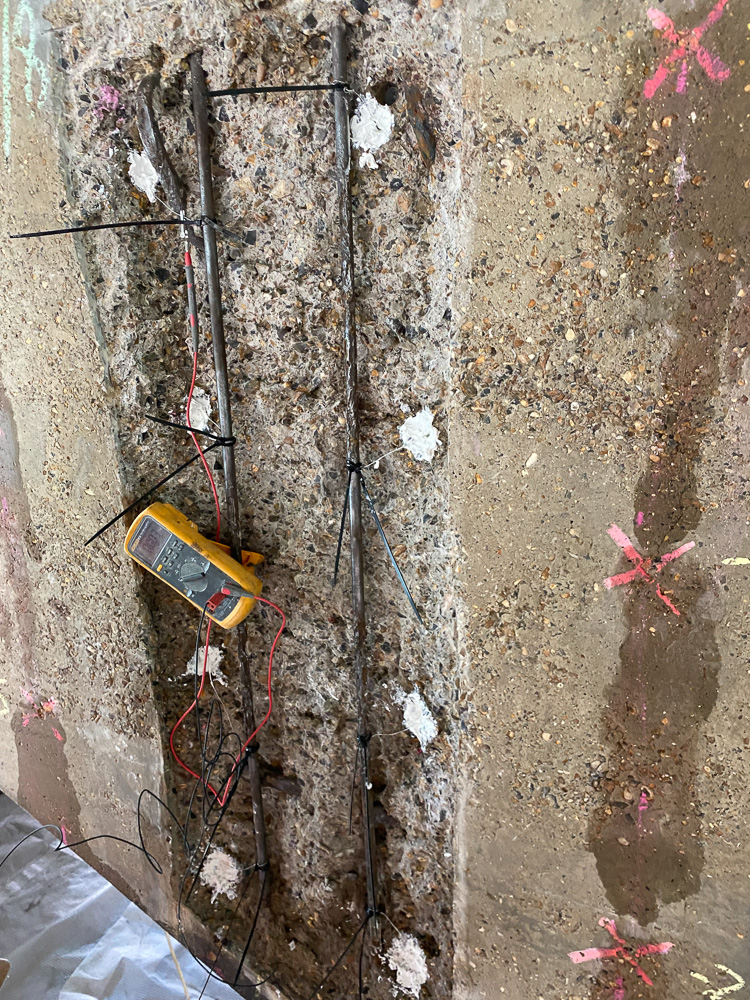
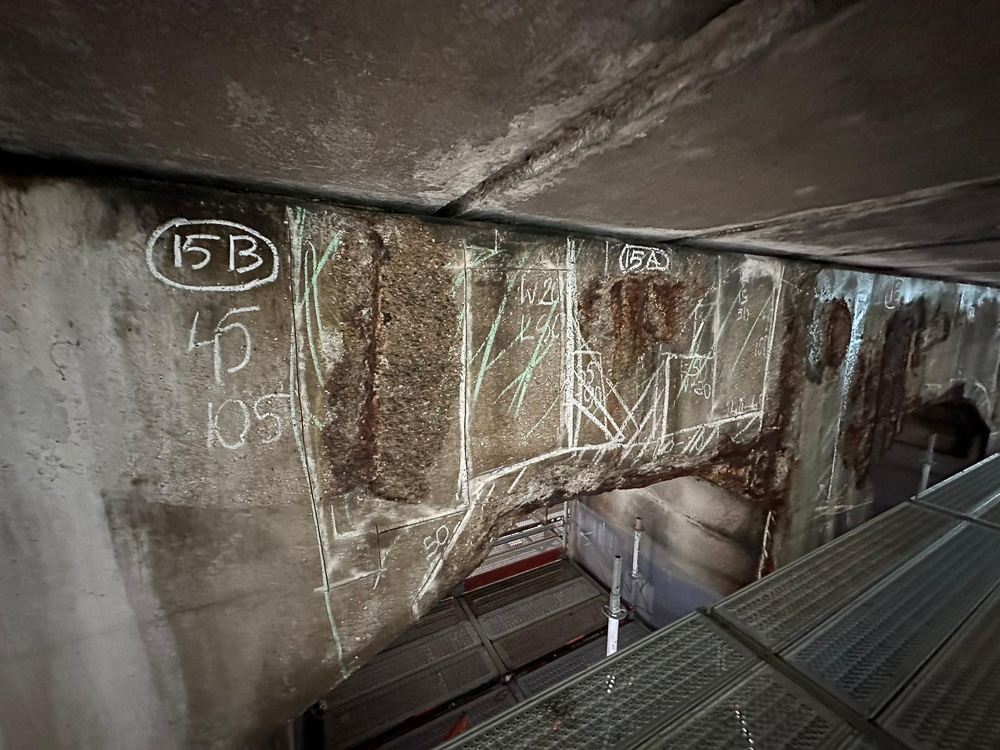
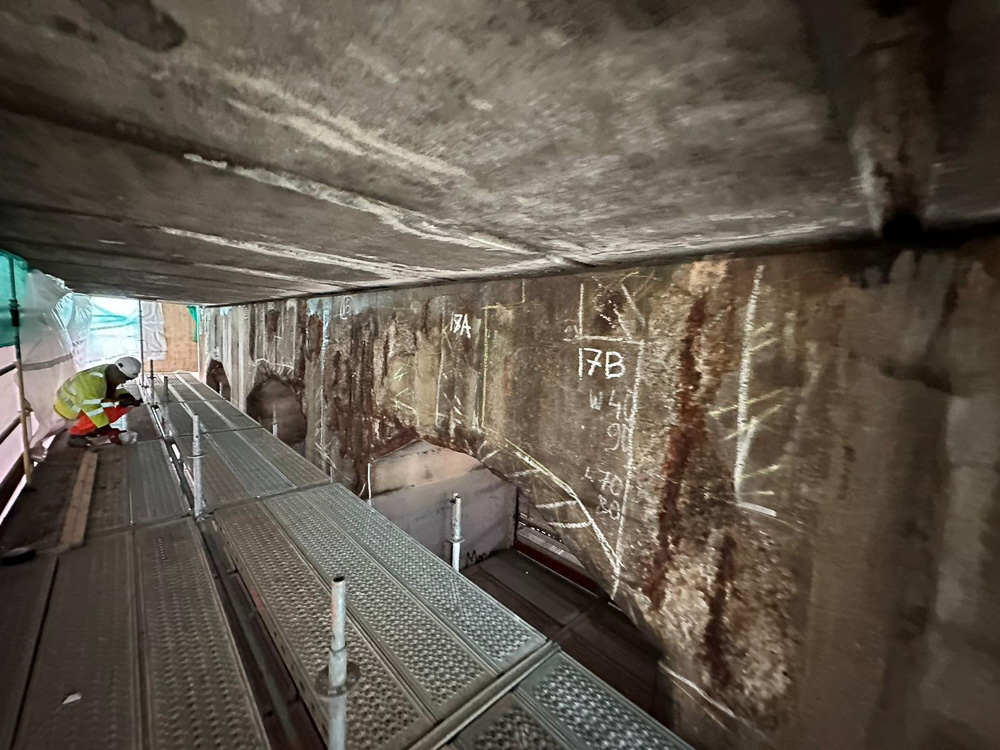
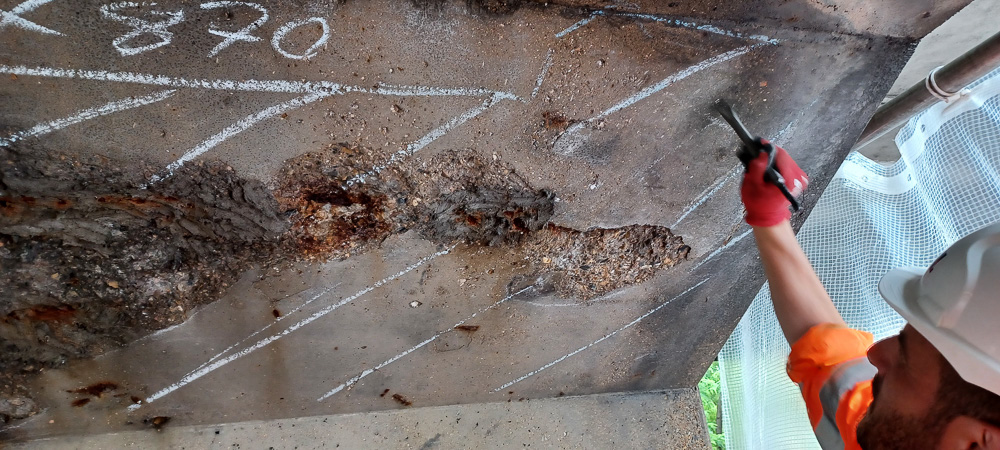
Due to the location of the Chiswick Flyover and the complexity of traffic management requirements on one of London’s busiest arterial routes, the planning and mobilisation of repair works presented a considerable challenge. Following a detailed assessment of the structure, CRL was engaged by Octavius to deliver specialist concrete repairs designed to address deterioration identified during the 2021 Special Inspection survey.
The inspection programme, which included a delamination survey, concrete testing, and visual inspection throughout the structure, identified several areas requiring intervention to restore structural integrity and arrest ongoing deterioration. Repair works focused primarily on spalled concrete areas to the piers and cross beams, where prolonged chloride contamination from de-icing salts had contributed to reinforcement corrosion and localised concrete failure.
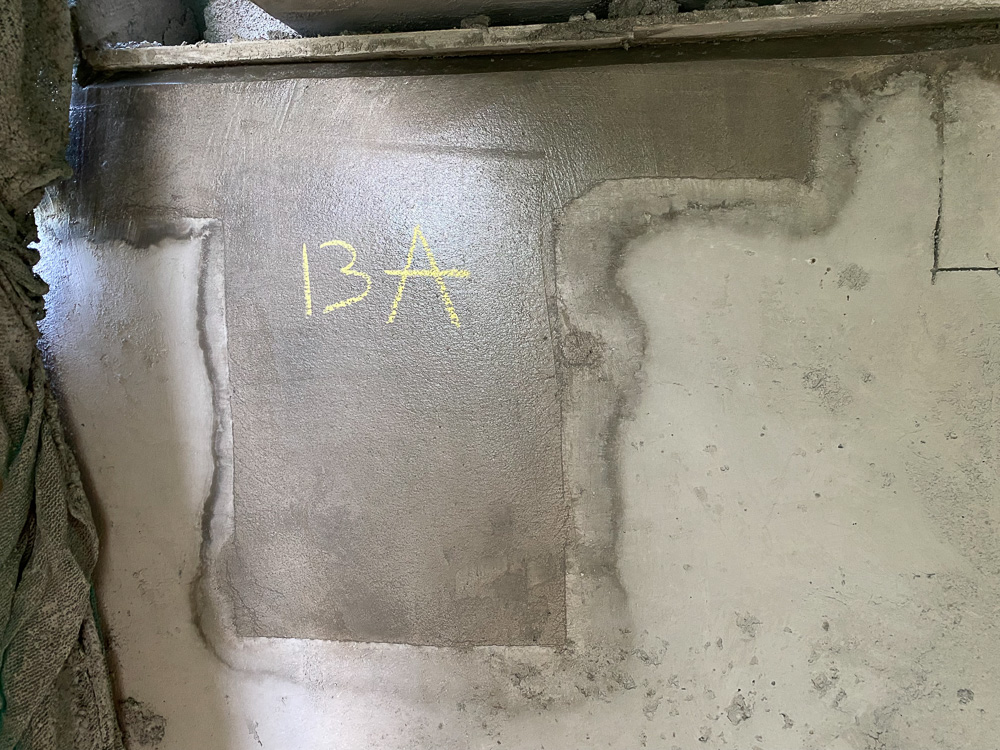
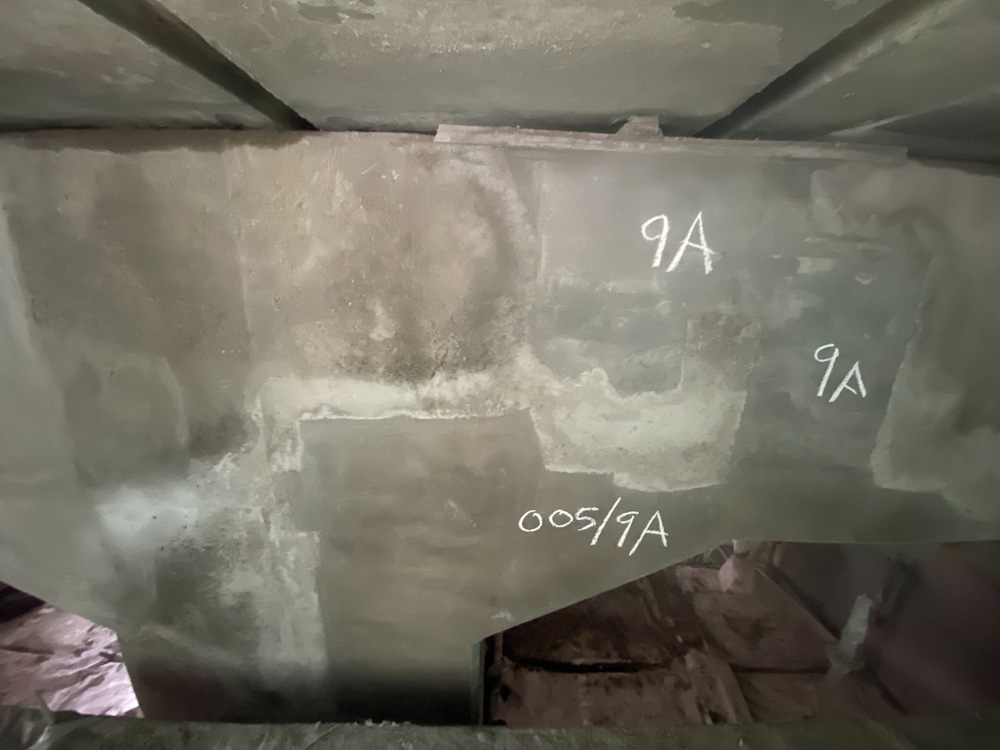
Concrete repairs were undertaken using spray-applied Webercem DS, selected for its suitability in reinstating structurally compromised concrete in highway infrastructure environments. Approximately 4m³ of defective material was repaired across affected areas, with careful preparation undertaken to ensure a durable bond between repair material and the existing substrate.
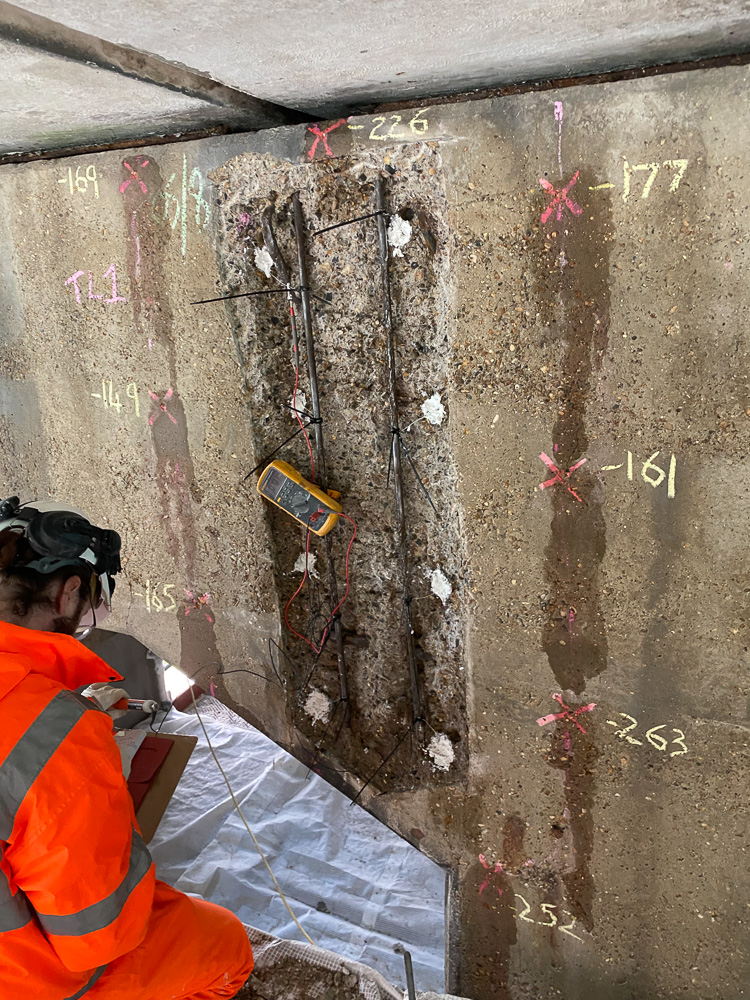
To mitigate future reinforcement corrosion and improve long-term durability, approximately 250 CPT DuoGuard 145 patch anodes were installed within repair locations. These galvanic anodes provide localised corrosion control by helping to reduce the risk of incipient anode formation around repaired concrete, supporting the long-term performance of reinforced concrete elements.
Additional maintenance works included the removal of corrosion products from bridge bearings, followed by cleaning and greasing to restore operational functionality and improve ongoing asset performance. Delivered under an NEC4 Option C contract, the project initially commenced with a contract value of £275,000 and a nine-week programme. As the number of repairs increased during delivery, the final anticipated contract value rose to approximately £320,000.
CRL’s involvement at Chiswick Flyover highlights the importance of specialist expertise when undertaking structural repairs within heavily trafficked transport infrastructure. Through technically informed repair methodologies and a practical understanding of ageing reinforced concrete assets, CRL helped preserve a key section of London’s motorway network, supporting long-term asset management objectives and reducing the risk of future deterioration.
Long-term durability was a key consideration throughout the Chiswick Flyover repair programme, particularly given the continued exposure of the structure to de-icing salts and associated chloride contamination. Effective surface preparation and the removal of defective concrete were essential in establishing sound substrates for successful reinstatement and ensuring the performance of repair materials.
The installation of CPT DuoGuard 145 patch anodes formed a critical part of the corrosion prevention strategy, helping to protect surrounding reinforcement from further deterioration following concrete repairs. Combined with the use of spray-applied Webercem DS and maintenance to structural bearings, the repair approach was designed to improve resilience and extend the operational service life of the structure. By implementing targeted preservation measures, CRL contributed to reducing future maintenance requirements while helping to safeguard this important section of the UK motorway network.


