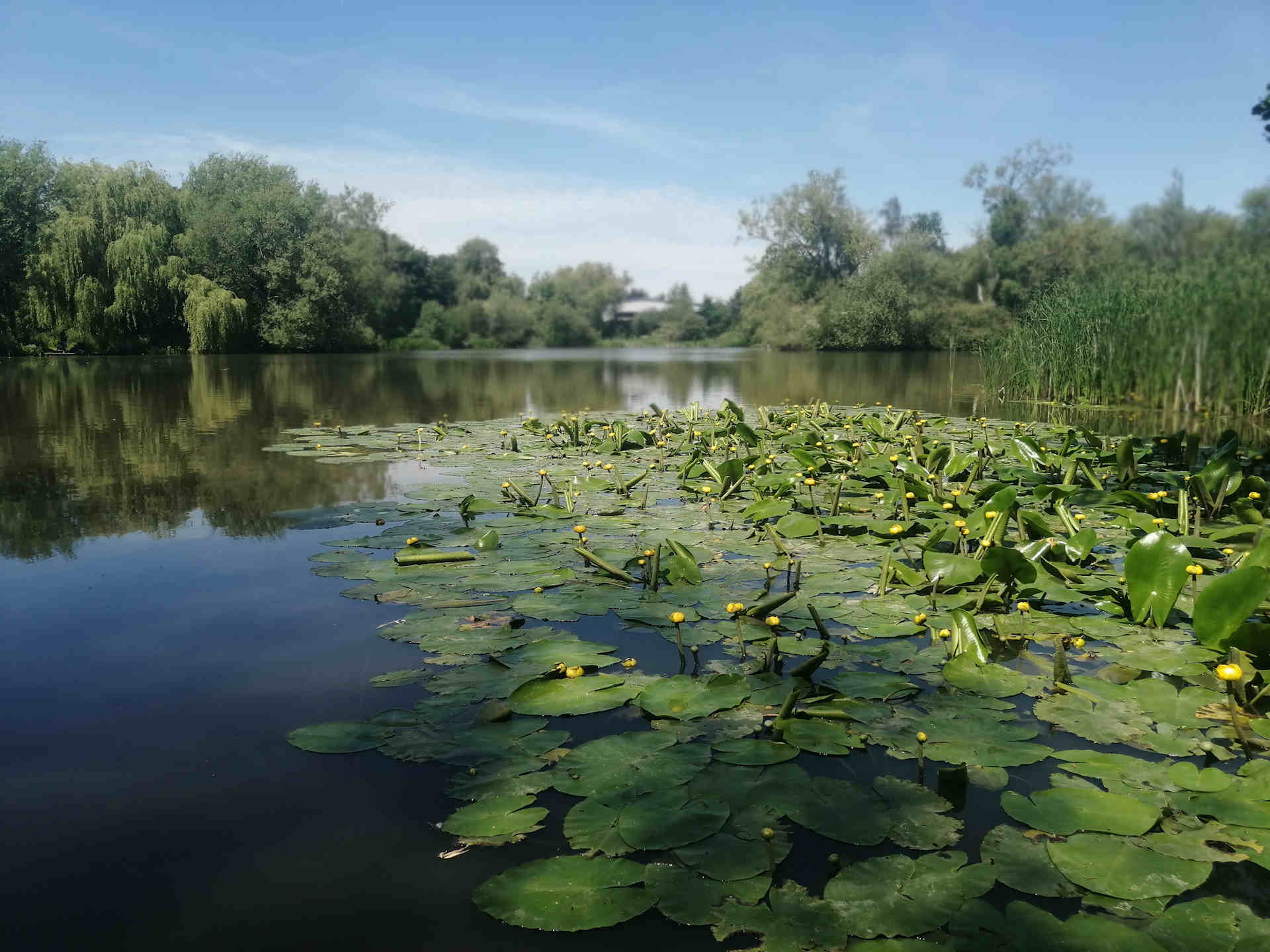
Sustainability is at the heart of everything we do at CRL. By repairing and restoring structures rather than rebuilding, we extend lifespans and reduce reliance on the linear build-demolish-rebuild process, helping to cut embedded carbon.
We are ISO 14001 accredited, and our progress speaks for itself: 97.5% of waste is diverted from landfill, carbon emissions have fallen by 33% since 2010, and 80% of our fleet meets EURO 6 or Low Emission Vehicle standards.
For us, sustainability is about more than carbon reduction. It means building resilient communities, improving air quality, protecting habitats and biodiversity, reducing resource demand, diverting waste, and creating a circular economy.
We work with clients, supply chains, and local communities to meet shared sustainability goals. Our commitments include achieving Net Zero by 2045, assessing environmental risks on all projects and offices, enhancing local ecology, and reducing waste and single-use plastics across our operations.
Follow the link to see our Carbon Reduction Plan

Sustainability is “meeting the needs of the present without compromising the ability of future generations to meet their own needs.”
United Nations Brundtland Commission
As a business, CRL will continually strive to operate in a sustainable manner by understanding risks, developing new business practices, policies and procedures to support and enhance the business both now and in the future."
CRL's Environmental and Sustainability Policy Statement
The Circular Economy - What is it?
“A circular economy is an alternative to a traditional linear economy (make, use, dispose) in which we keep resources in use for as long as possible, extract the maximum value from them while in use, then recover and regenerate products and materials at the end of each service life.”(WRAP)

As a society, we produce too much waste, much of which ends up in landfill or polluting our natural environment. This contributes towards climate change and environmental degradation.
The construction industry is a resource-intensive industry, using large quantities of materials. There is, however, a lot of scope to use recycled materials and to reuse “waste” products which will reduce the strain on our planet.
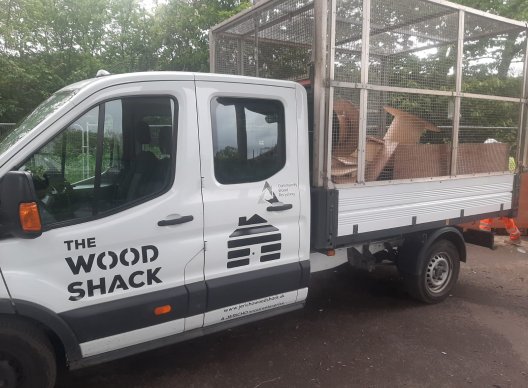
We want to play our part by being responsible for the way we operate and deal with our waste. This means using and supporting innovative technologies and materials which last longer and produce less waste. It also means seeking ways to reinjecting products and materials we do not need back into the economy.