Client
London Zoo
Value
£76k
Sectors & Services
Heritage & Listed Concrete Repair Coatings Corrosion Control
The Penguin Pool at London Zoo, constructed in 1934, is one of the most celebrated examples of early modern architecture in England. Designed by Russian émigré architect Berthold Lubetkin and his Tecton practice, the structure is internationally recognised for its elegant reinforced concrete forms and innovative use of geometry.
Over time, exposure to the elements and successive alterations had allowed the pool to fall into significant disrepair, compromising both its appearance and structural integrity.
CRL was appointed to undertake a full restoration of this Grade I listed asset, with the objective of conserving its architectural significance while reinstating its original aesthetic and functional performance.
Services Undertaken
-
Careful removal of multiple historic paint coatings using the JOS system
-
Extensive concrete repairs to match original profiles
-
Application of thin coat render to restore original finish
-
Application of specialist protective coatings compatible with penguin occupancy and structural requirements


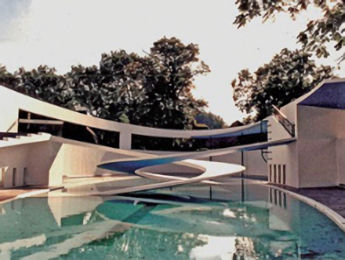
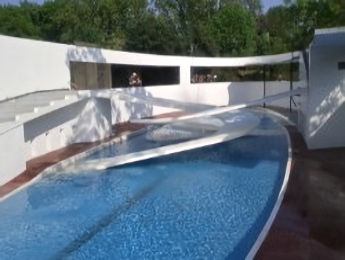
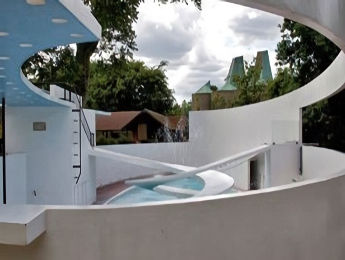
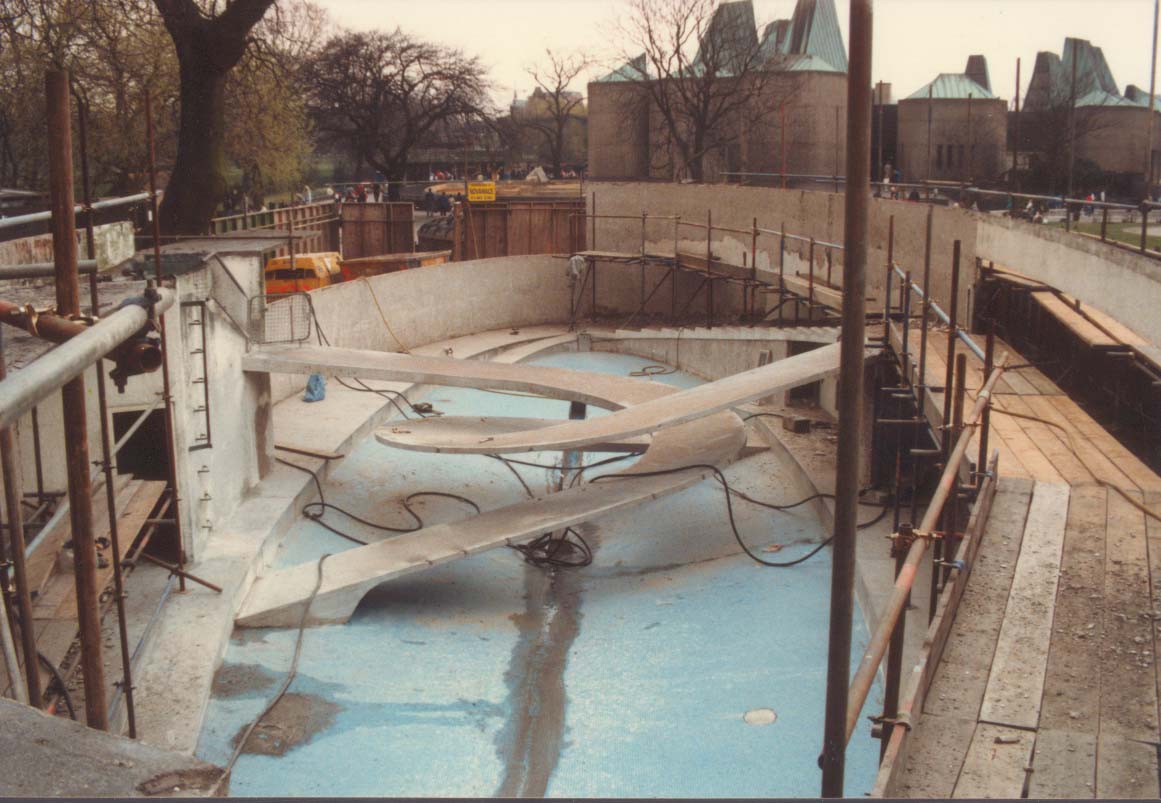

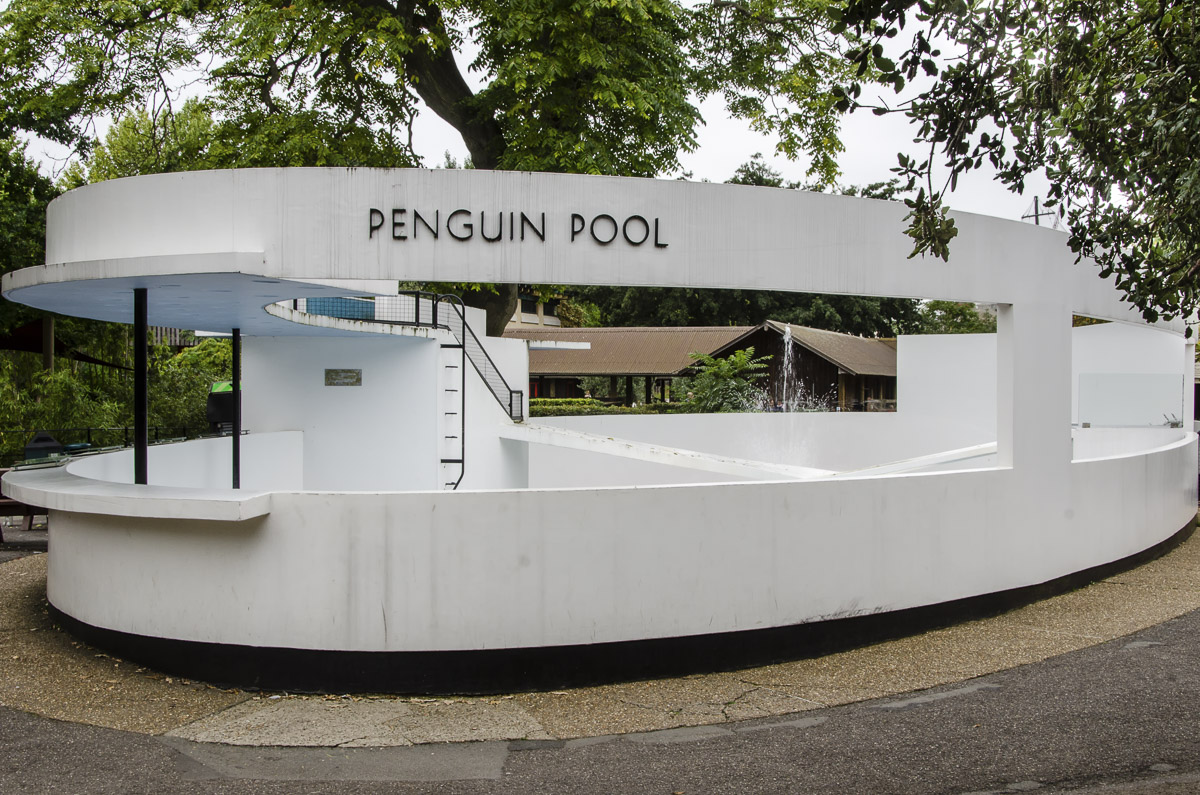
Restoration of the Penguin Pool demanded a highly sensitive and technically rigorous approach, reflecting its status as a landmark of modernist design and its continued use within a live zoological environment. The initial phase involved the careful removal of numerous historic paint coatings using JOS abrasive cleaning techniques. This low-pressure, controlled system was selected to expose the original concrete substrate without causing damage, allowing the true extent of deterioration to be assessed accurately.
Following detailed inspection, extensive concrete repairs were undertaken. Damaged and delaminated areas were carefully broken out, prepared and reinstated to match the original profiles, ensuring that Lubetkin’s distinctive flowing forms and slender geometries were faithfully reproduced. Particular attention was paid to edge details and curved surfaces, where precision was essential to maintain the integrity of the design.
A thin coat render was then applied to restore the original surface finish, replicating the smooth, understated appearance that defined the structure when first constructed. This was followed by the application of specialist coating systems, selected to meet both structural performance requirements and the strict environmental and welfare standards associated with housing penguins. The coatings provided protection against moisture ingress and carbonation while ensuring compatibility with animal occupancy.
Throughout the works, CRL combined specialist concrete repairs expertise with a deep understanding of conservation principles, delivering structural repairs UK that balanced durability, heritage sensitivity and operational constraints within one of London’s most visited attractions.

“CRL delivered the restoration of the Penguin Pool with exceptional care and technical expertise, demonstrating a deep understanding of both its architectural significance and operational requirements. The team worked collaboratively and professionally throughout, achieving a high-quality result that has preserved this iconic structure for the future.”
Clients Representative
The restoration of the Penguin Pool delivered benefits extending well beyond the immediate physical repairs. By addressing concrete deterioration and reinstating protective finishes, CRL significantly improved the long-term durability and resilience of this iconic structure, reducing future maintenance demands and supporting effective asset management.
The project demonstrated CRL’s ability to plan and deliver complex conservation-led concrete repairs within a sensitive, operational environment, working closely with the client to ensure continuity of use and compliance with animal welfare requirements. The outcome is a structurally robust and visually authentic landmark, safeguarded for future generations and aligned with sustainable conservation principles. CRL’s considered approach, technical competence and craftsmanship ensured that this modernist icon was not only preserved, but future-proofed.


