Client

University of Central London (UCL)

Value

£110k

Sectors & Services

Buildings Repairs & Refurbishment Heritage & Listed Corrosion Control External Façade Refurbishment Steel Frame Cathodic Protection

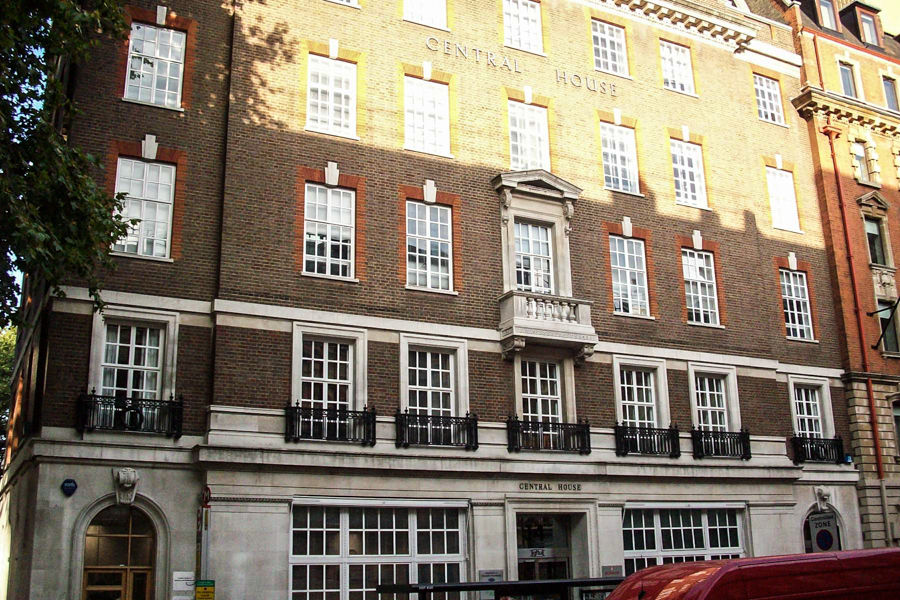
Central House is a steel framed building comprising a basement, ground floor and six upper storeys, located at 14 Upper Woburn Place in Central London. Following its acquisition by University College London, regular cracking was observed across sections of the external façade, raising concerns associated with the well documented “Regent Street Disease”.

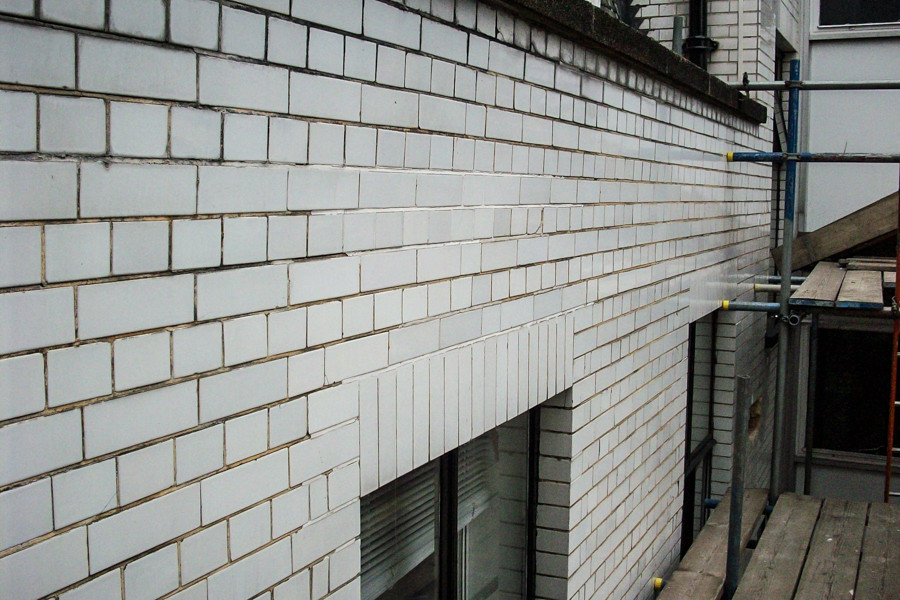
Initial investigations by Drivers Jonas confirmed that the cracking aligned with the underlying steel frame, particularly where corrosion activity had commenced. While structural capacity was not compromised, further deterioration posed a long-term asset management risk. A durable intervention was therefore required to arrest corrosion, preserve the façade and protect the building’s future service life within a constrained urban environment.

Services undertaken

  • Structural investigations and feasibility study for corrosion mitigation options

  • Assessment of façade cracking associated with steel frame corrosion

  • Design of an impressed current cathodic protection system

  • External installation of ICCP system to courtyard façades

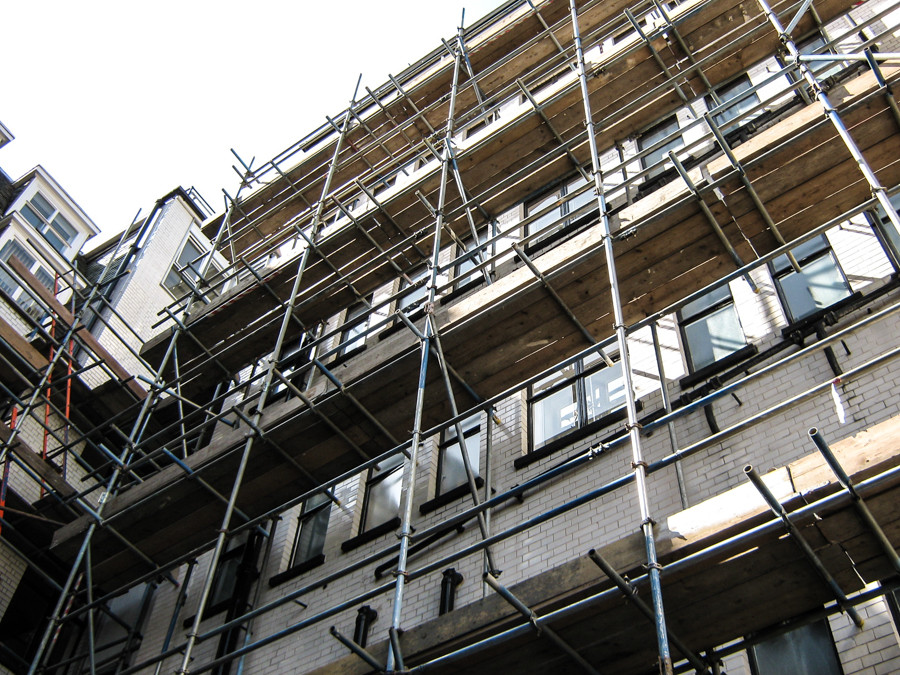
  • Access provision via independent scaffolding

  • Corrosion control to steel framed structure without façade removal

Tailored tools for every job

Detailed structural investigations were undertaken by Carter Clark Structural Engineers to assess the extent and cause of façade cracking and associated steel corrosion. Two remedial strategies were evaluated: extensive removal and reinstatement of brickwork to access and treat corroded steelwork, or the installation of a cathodic protection system to arrest corrosion without intrusive demolition. Following a feasibility study carried out by CRL, impressed current cathodic protection (ICCP) was identified as the most technically appropriate and cost-effective solution.

CRL’s expertise in corrosion control and structural repairs UK enabled the design of an externally applied ICCP system to the courtyard façades, directly addressing corrosion at the steel frame interface. This approach eliminated the need for widespread façade removal, minimising disruption, programme risk and cost. Independent scaffolding provided safe access for installation, ensuring precise placement of anodes and electrical components in accordance with the corrosion risk zones identified during earlier surveys.

The system was installed over a three month period, demonstrating CRL’s capability to deliver specialist interventions efficiently within a live, high profile Central London environment. By combining investigative insight with specialist cathodic protection design and installation, CRL delivered a technically robust solution that aligned with the client’s long-term asset management strategy and preserved the architectural integrity of the building.

"The clent was suprised to learn that the cost of installing a cathodic protection system was half the price of breaking out the brickwork around the beams and columns and preparing and painting the steel."

Michael Balletta | Infrastructure Manager | CRL 

The installation of the ICCP system provides long-term protection against further corrosion of the embedded steel frame, directly addressing the root cause of façade cracking associated with Regent Street Disease. By controlling the electrochemical corrosion process, the system significantly reduces the risk of future cracking, spalling and associated maintenance interventions. This proactive corrosion management approach enhances durability and resilience while extending the effective service life of the structure.

Importantly, the solution avoids invasive façade removal, preserving existing materials and reducing whole-life costs. The externally installed system allows for ongoing monitoring and adjustment, ensuring continued performance throughout the building’s lifecycle. CRL’s specialist knowledge in cathodic protection and concrete repairs supports a sustainable, low maintenance outcome that safeguards a critical Central London asset for decades to come.

Protection beyond the repair