Client
Sir Robert McAlpine
Value
£12M
Sectors & Services
Highway Structures Concrete Repair Condition Surveys Coatings Corrosion Control
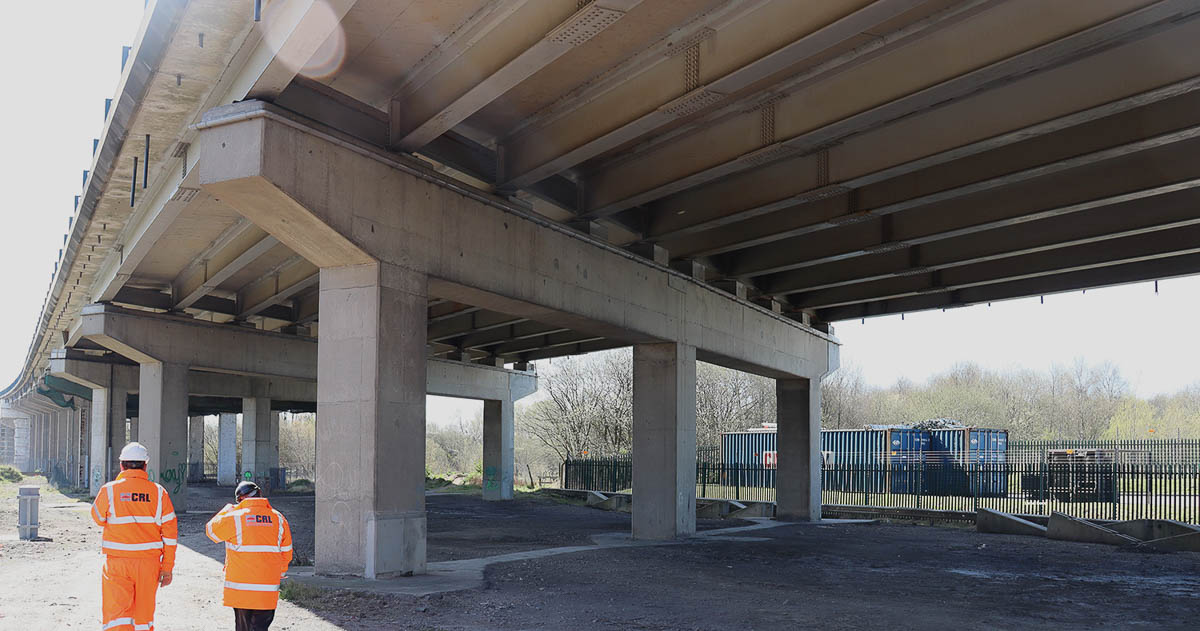
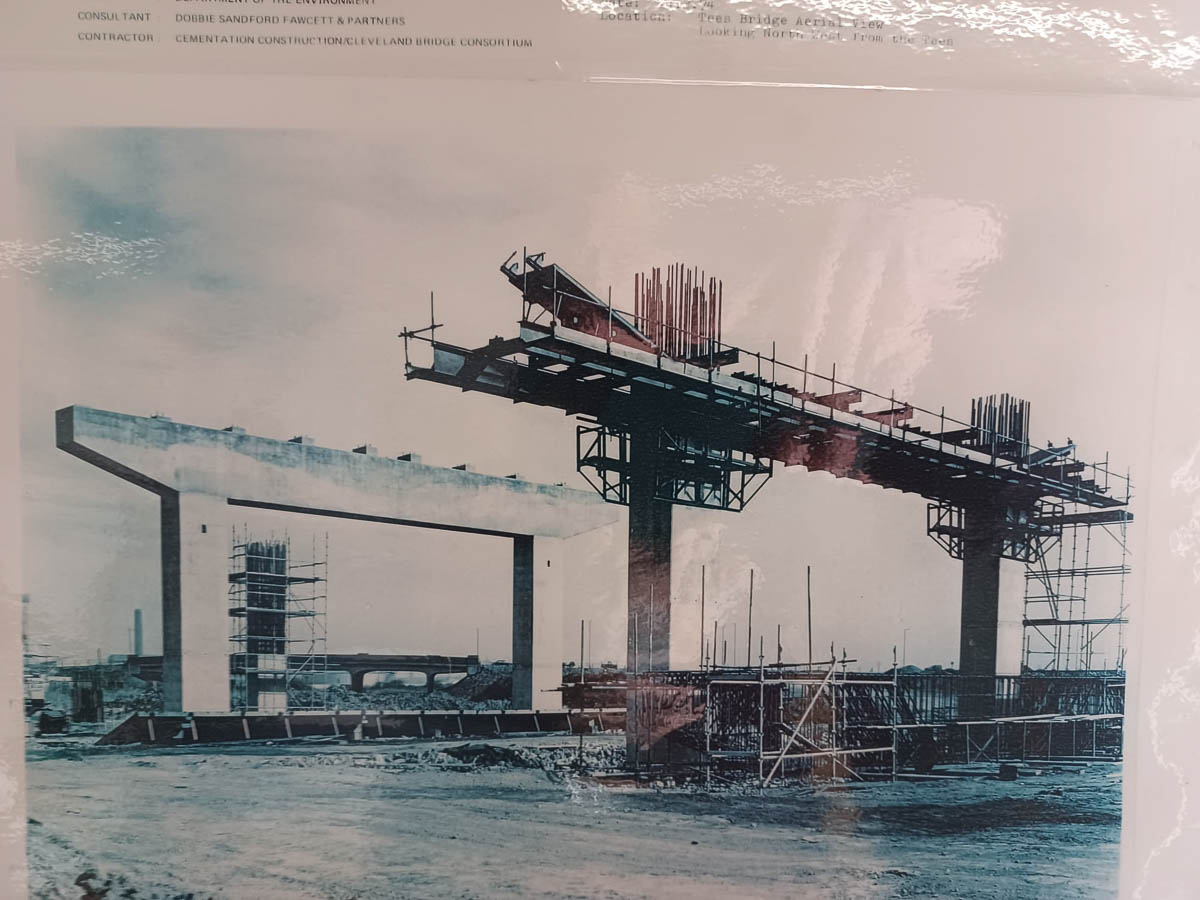
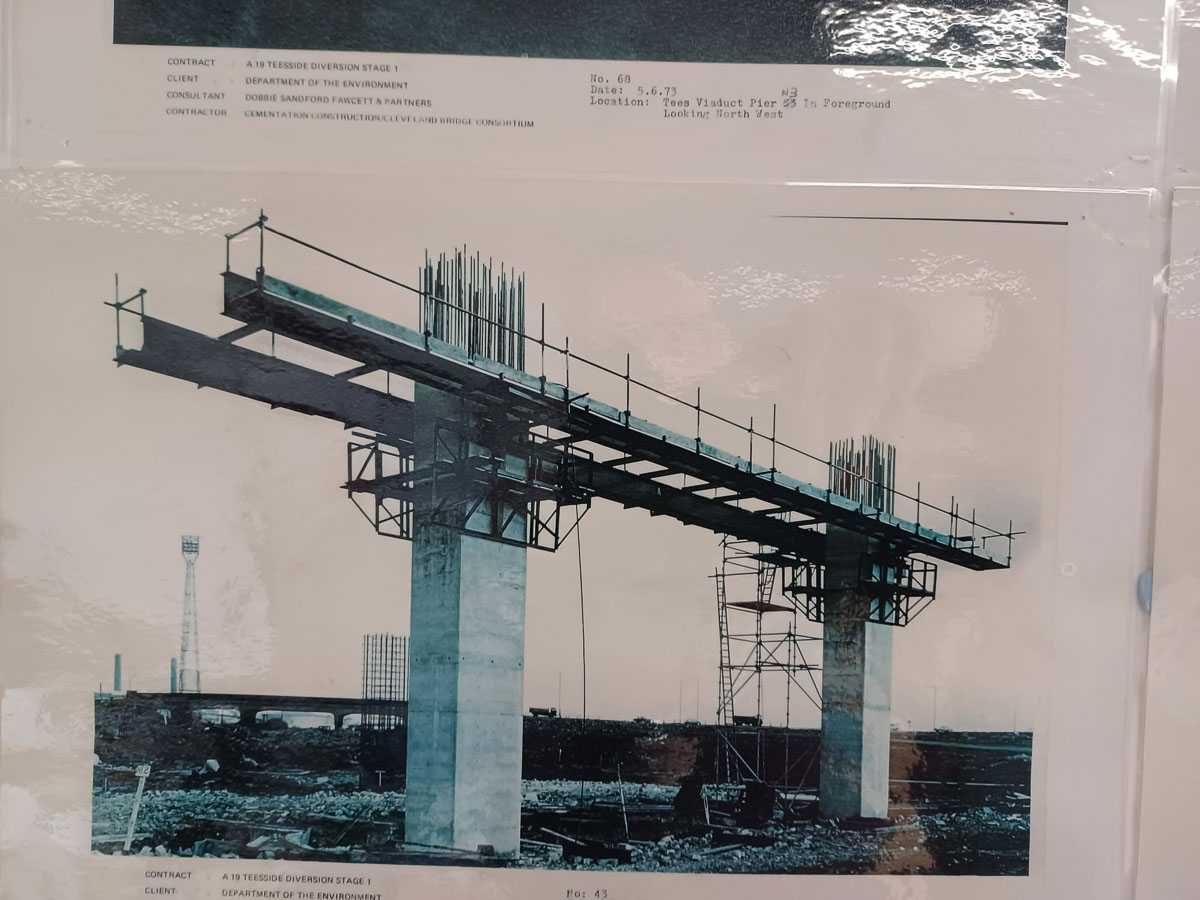
The A19 Tees Viaduct, also known as the Tees Flyover, is a crucial six-lane dual carriageway bridge spanning approximately 1.9 kilometres over the River Tees in Northeast England. Opened in 1975, it carries essential transport links between Middlesbrough and Stockton-on-Tees, supporting around 100,000 vehicles daily.
Over time, chloride ingress and poorly detailed joints led to corrosion of the concrete piers, threatening the structure’s durability. In response, National Highways, with Autolink Concessionaires as client and Sir Robert McAlpine as principal contractor, appointed Concrete Repairs Limited (CRL) as specialist subcontractor.
Starting in October 2020, the multi-million pound refurbishment aimed to extend the viaduct’s operational life while maintaining traffic flow and minimising environmental and community disruption. This landmark project exemplifies how modern repair techniques and asset management strategies can protect vital infrastructure and secure long-term resilience.
Services Undertaken
-
Hydrodemolition of delaminated concrete areas for surface preparation
-
Application of specialist Fosroc concrete repair products
-
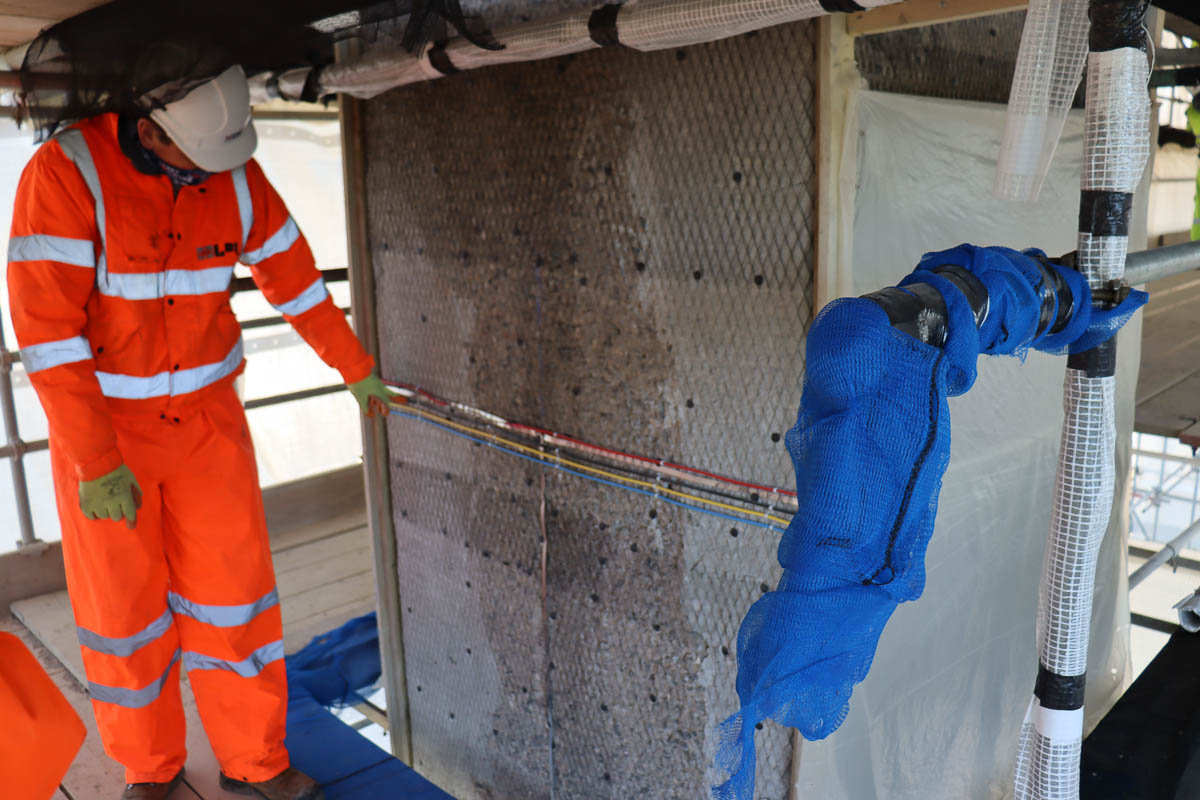
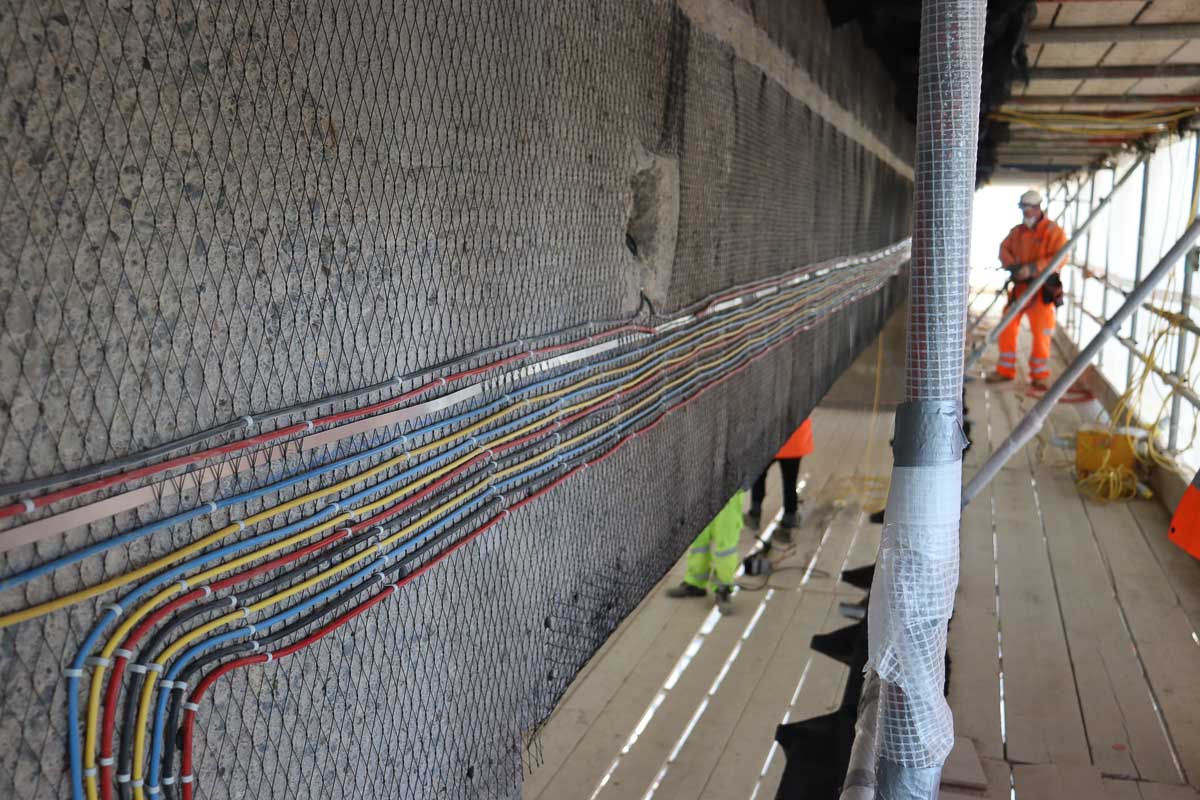
Installation of Impressed Current Cathodic Protection (ICCP) systems to prevent reinforcement corrosion
-
Protective overlay application to encapsulate ICCP components
-
Phased repair strategy including trial piers and full pier refurbishments
-
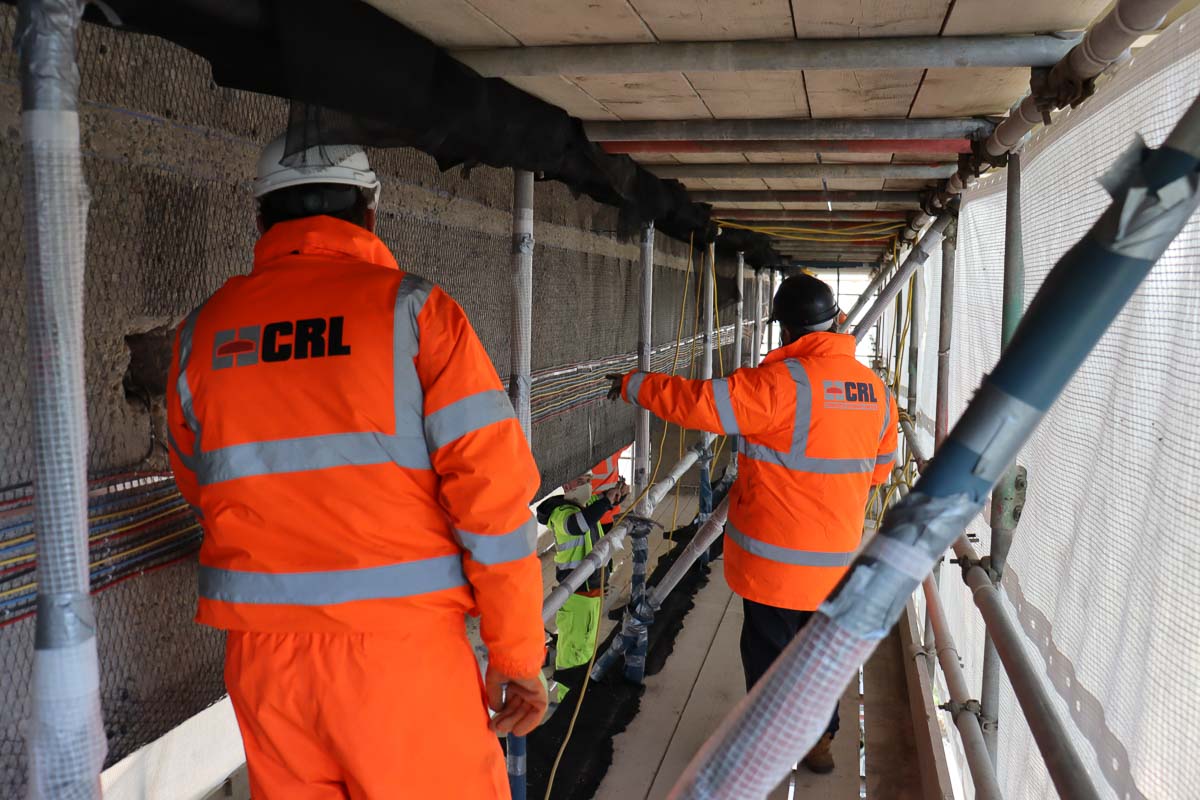
Structural repairs to concrete substructures while maintaining live carriageway conditions
-
Traffic and safety management for high-volume live traffic (approx. 100,000 vehicles daily)
-
Environmental and community impact mitigation during works
-
Health and safety management, including flood risk and site-specific hazard control
-
Collaborative project management with principal contractor and design teams
-
Quality assurance and monitoring throughout all repair phases
-
Optimisation of repair methods to minimise carbon emissions and maximise durability



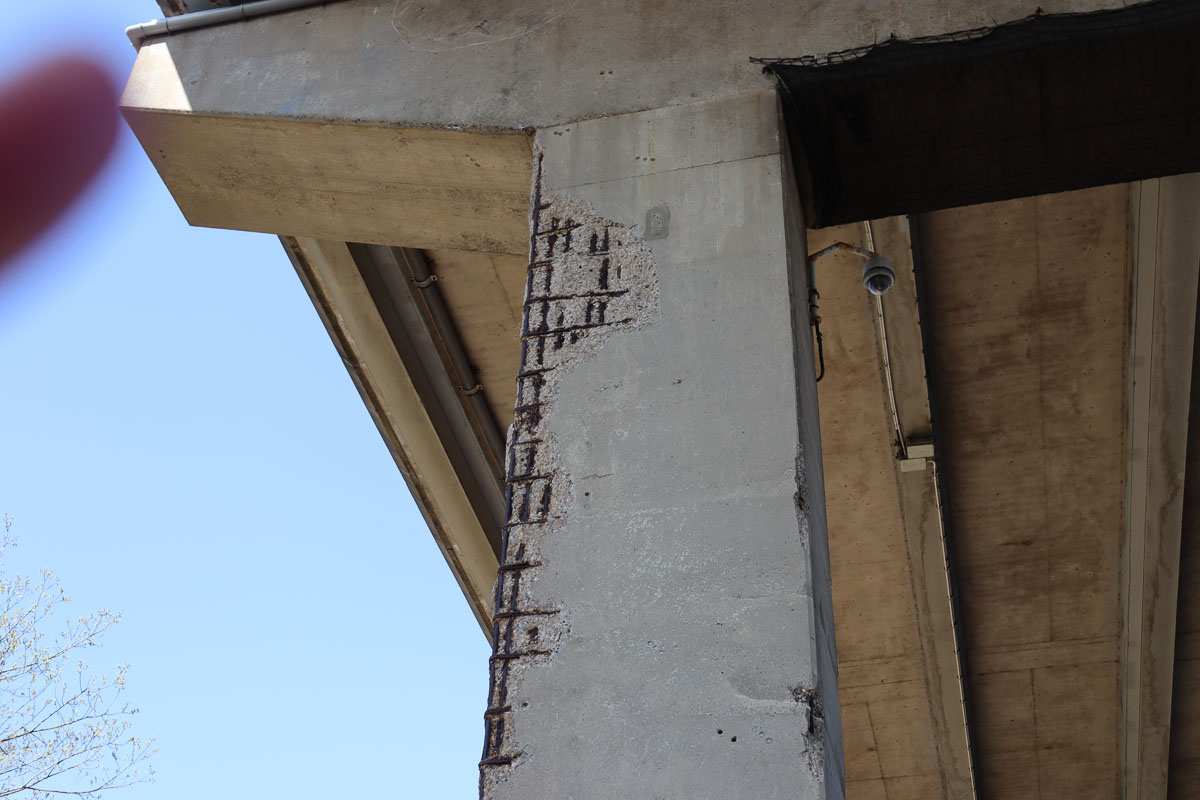
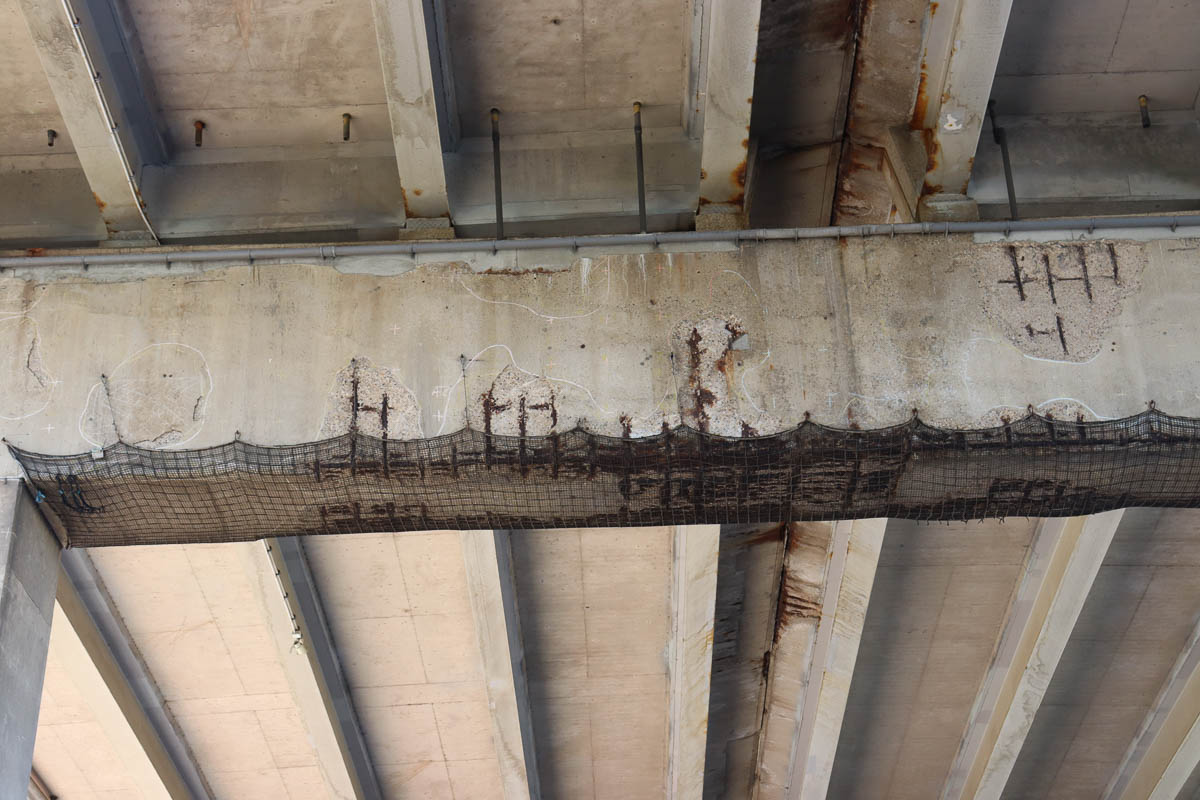

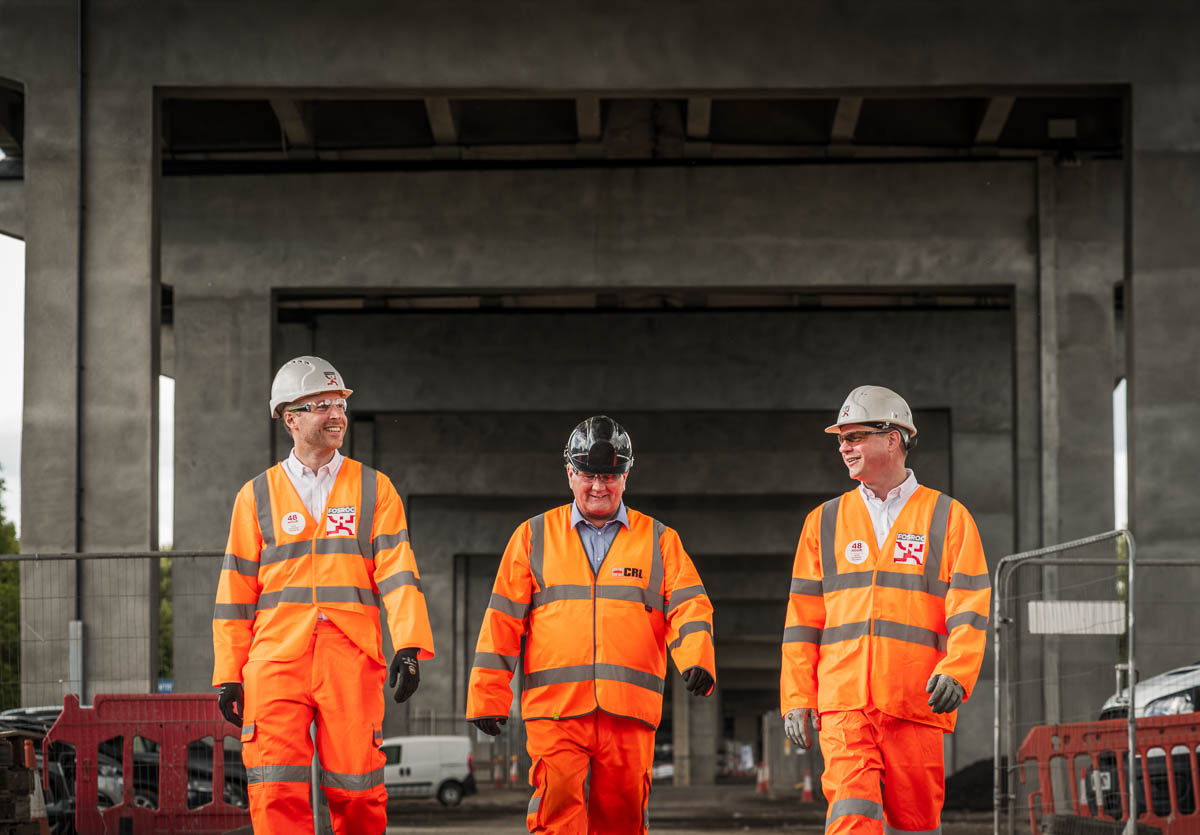

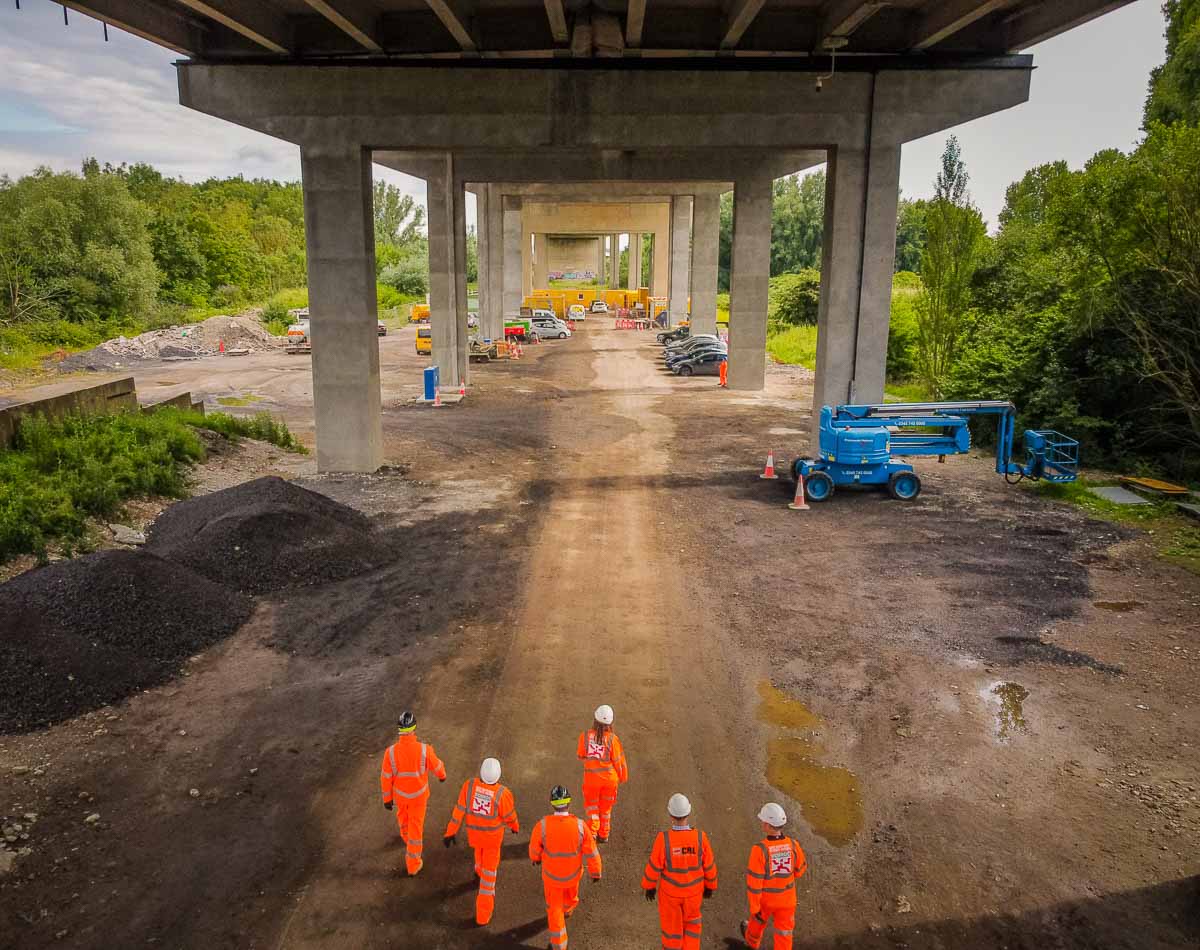
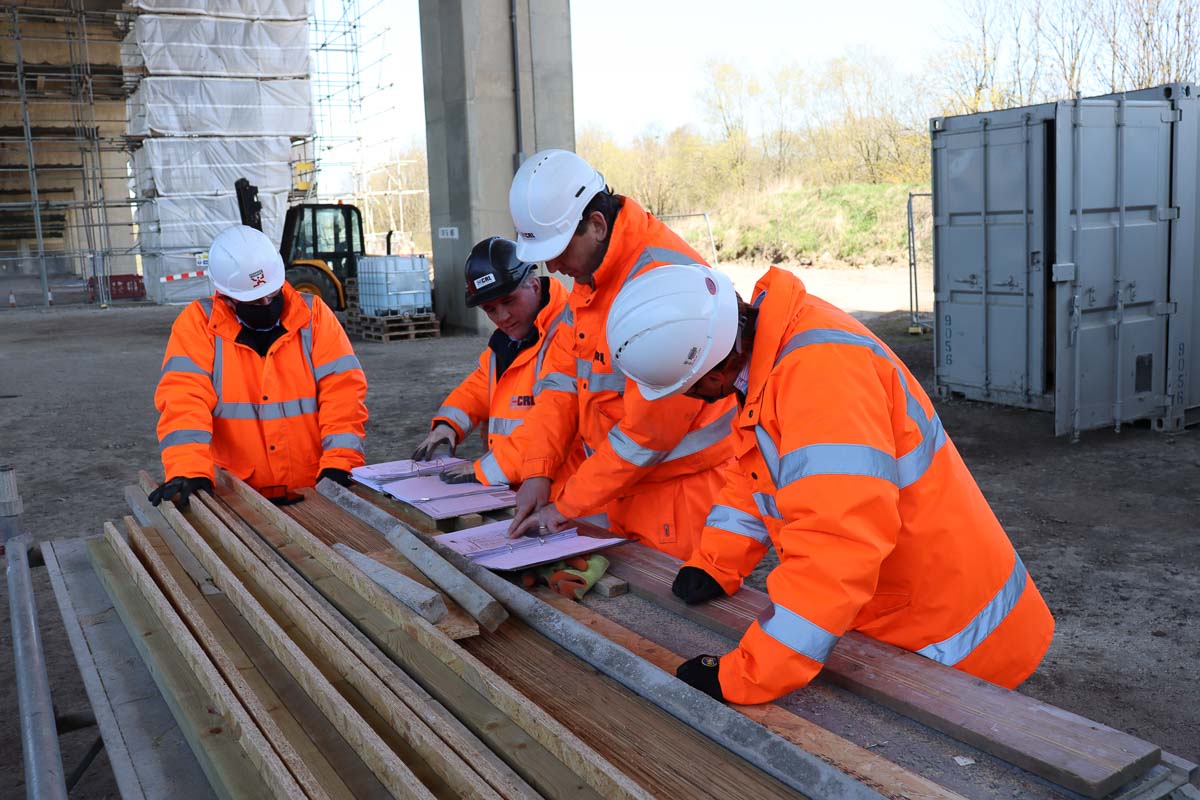
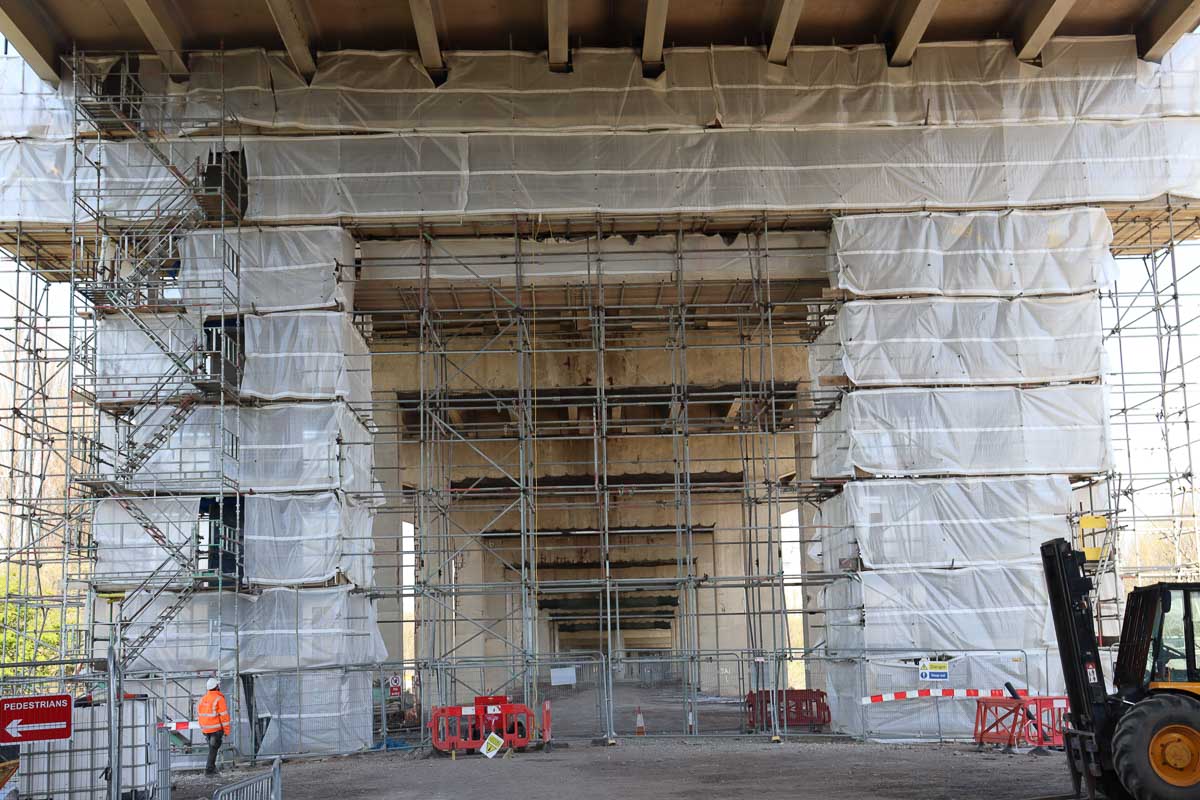
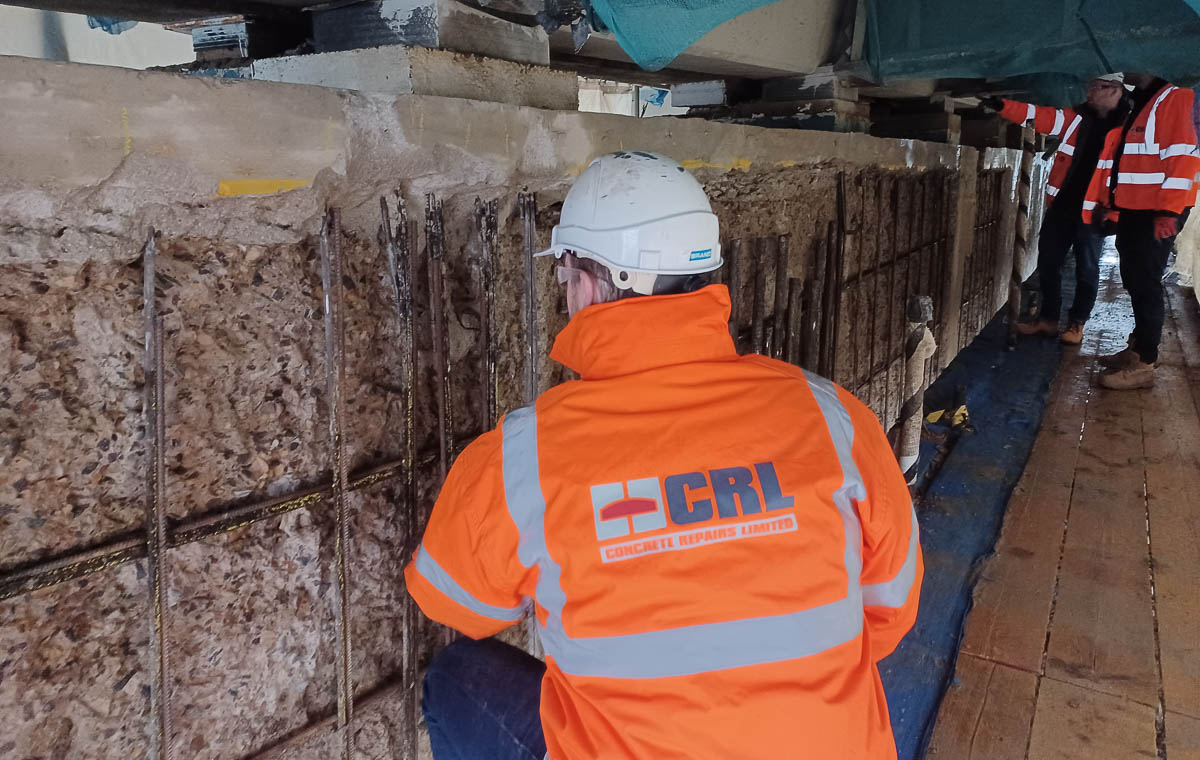
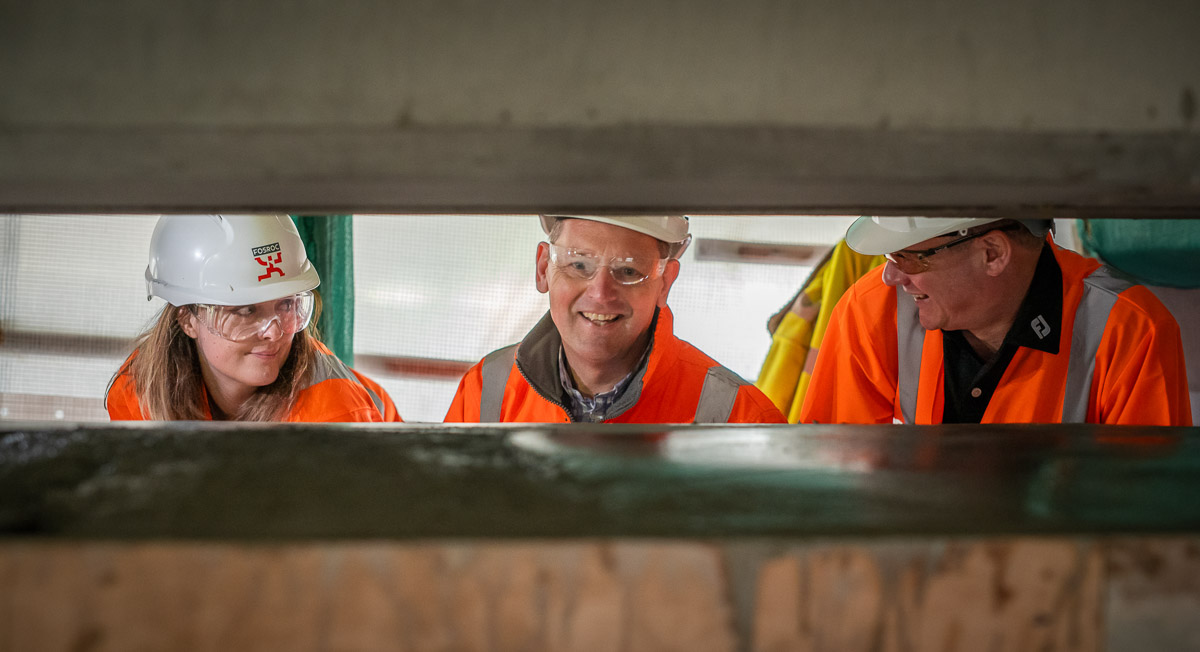
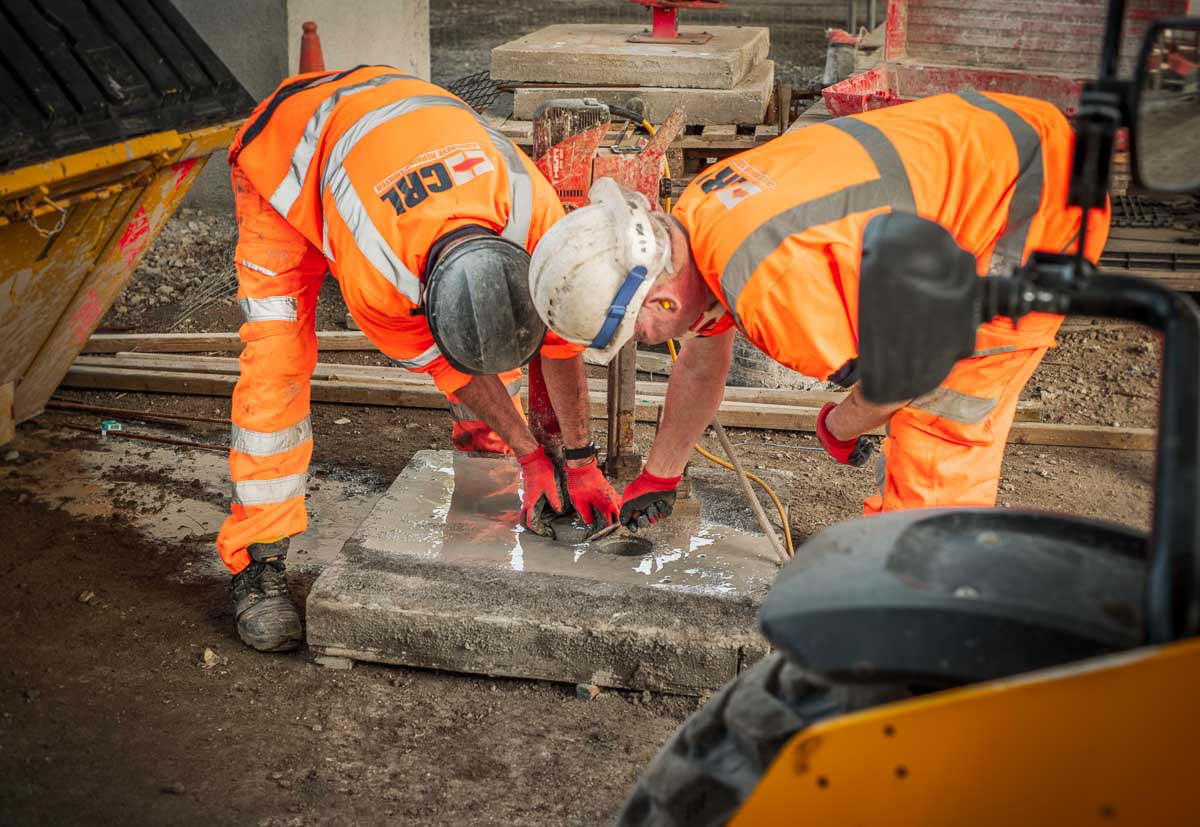
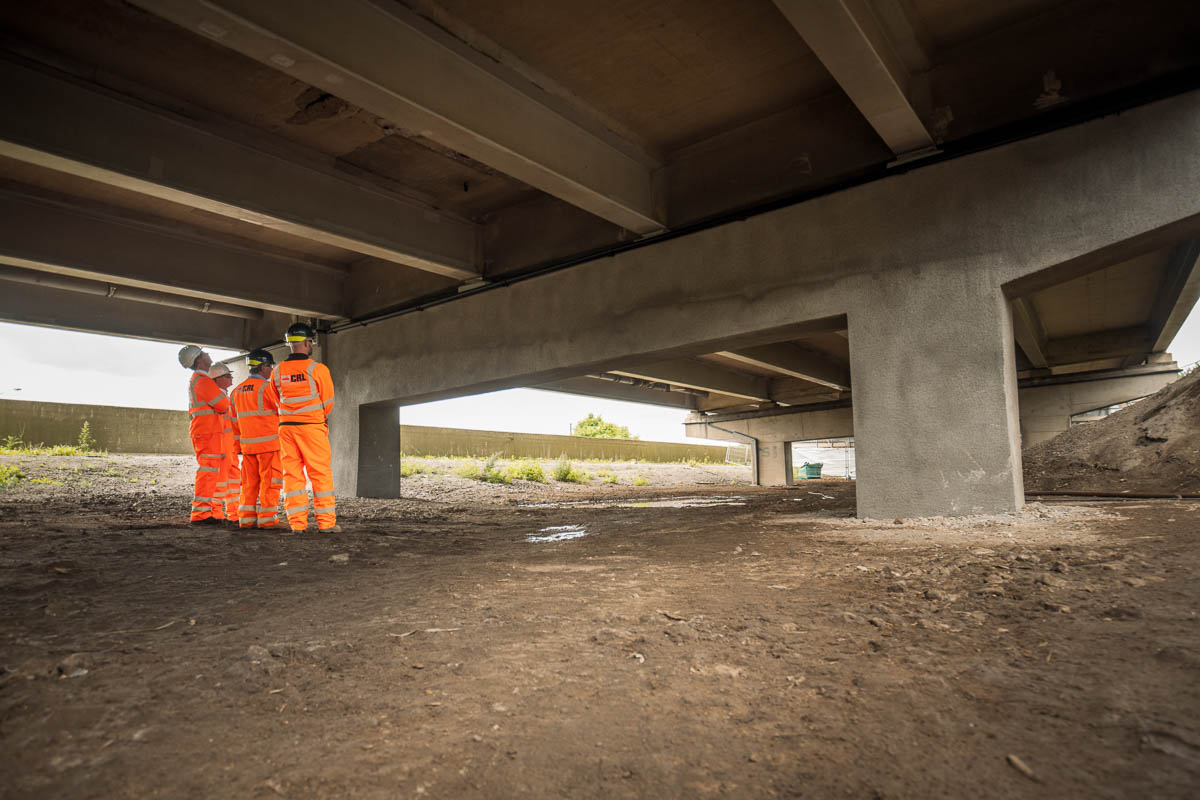
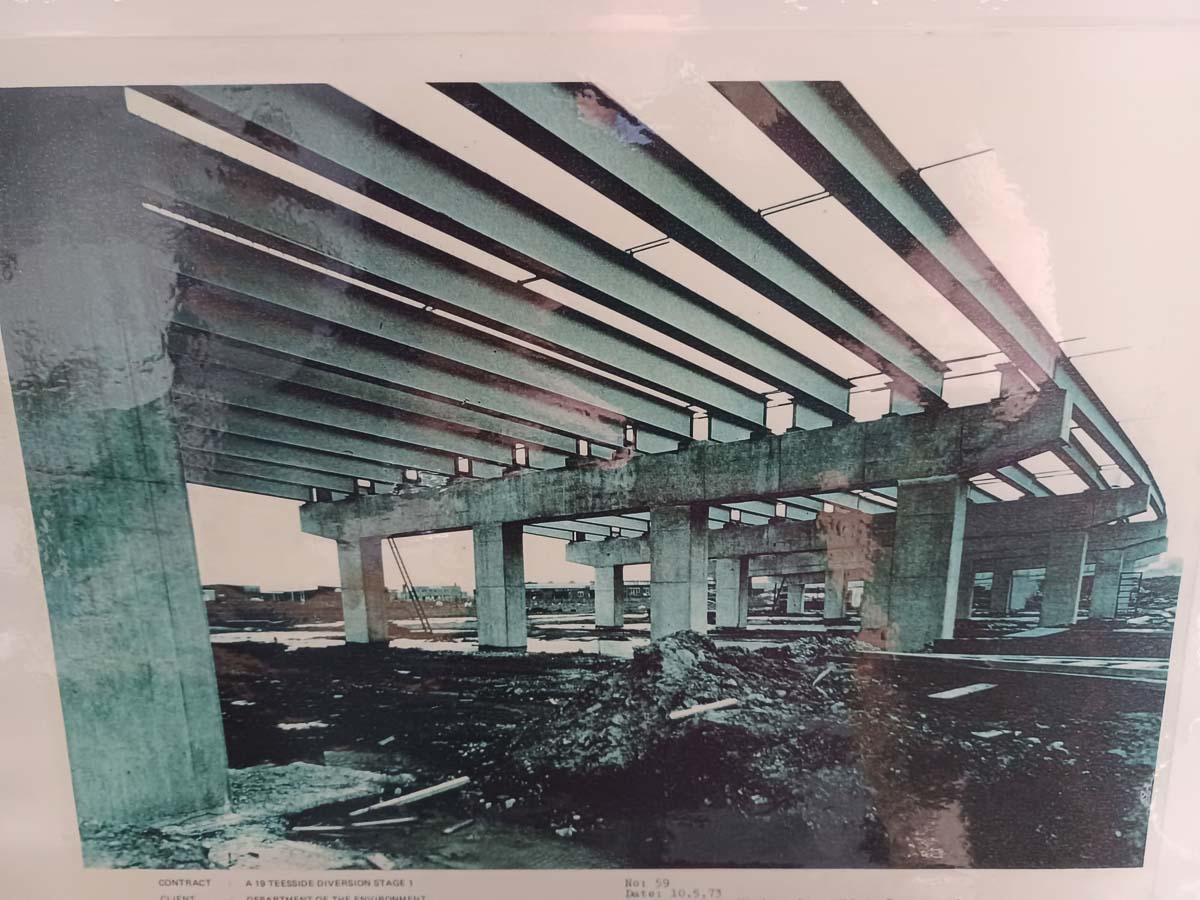
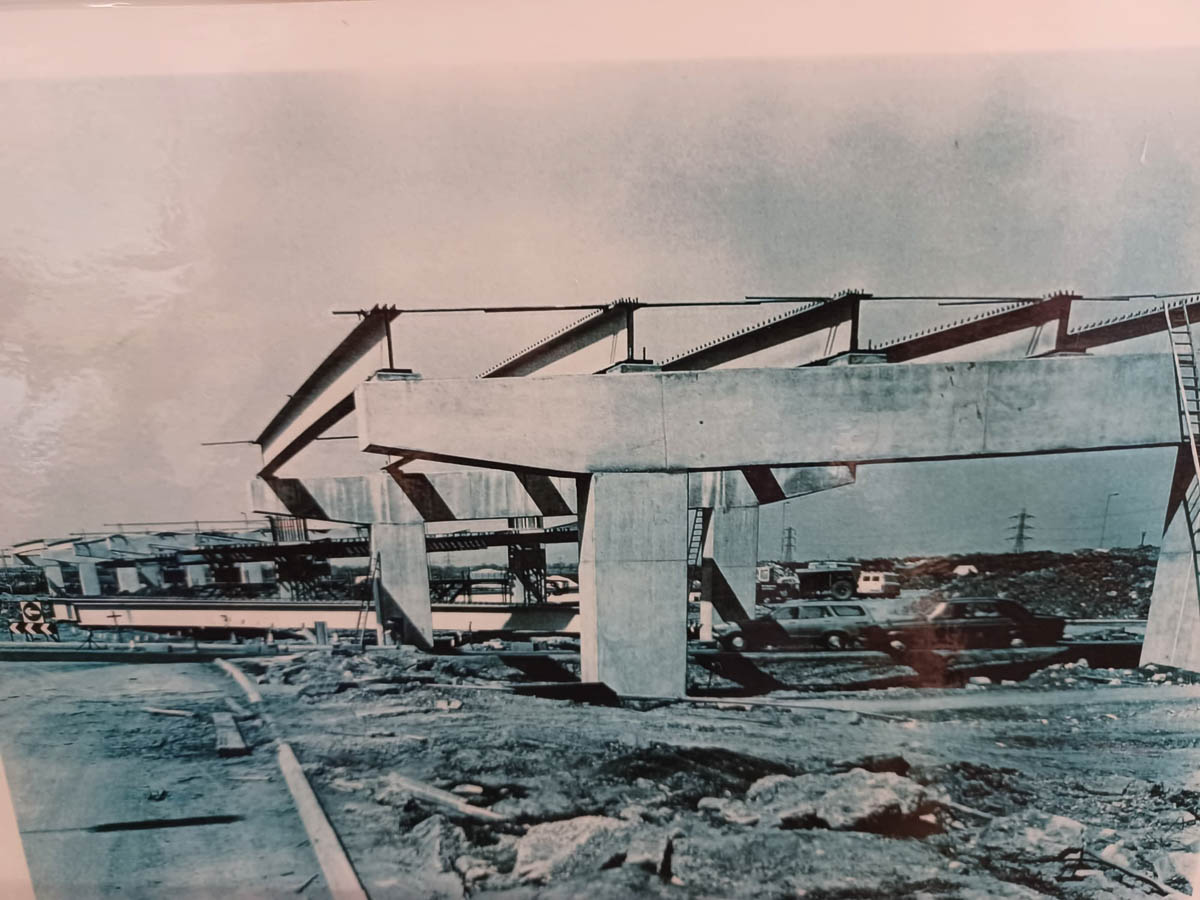
The refurbishment adopted a phased approach to manage risk, maintain traffic, and optimise quality. Initial works focused on hydrodemolition to remove delaminated concrete, followed by application of specialist Fosroc repair products to restore structural integrity and durability.
An Impressed Current Cathodic Protection (ICCP) system was installed to halt reinforcement corrosion, extending the service life of the piers by 40 to 50 years. The ICCP components were then encapsulated under a protective overlay designed for an 80-year design life. Trials on initial piers allowed methods to be refined before full-scale implementation, ensuring consistent performance and minimising visual and structural impacts.
Collaborative planning between CRL, Sir Robert McAlpine, and AECOM enabled safe, concurrent working beneath live carriageways, with meticulous health and safety protocols addressing flood risks, live traffic, and site-specific hazards. Innovative solutions, rigorous quality assurance, and clear communication ensured that complex concrete repairs were delivered efficiently and effectively.
Long-term protection measures ensure the viaduct remains safe, resilient, and low-maintenance. The ICCP system actively prevents reinforcement corrosion, while durable concrete repairs and protective overlays reduce water ingress and surface deterioration. Hydrodemolition and careful surface preparation maximise adhesion and repair longevity. By avoiding full demolition, the project minimised carbon emissions by over 90%, contributing to sustainability goals.
These interventions enhance structural integrity, extend the service life of the viaduct, and reduce future maintenance requirements. The combination of cutting-edge corrosion protection, high-performance materials, and precise workmanship provides a benchmark for sustainable structural repairs in the UK, delivering tangible benefits for asset management, community safety, and environmental performance.


